BURNING CHROME | The eternal spin of sound — old formats, new obsessions
At the end of the day, it’s the music not the format.
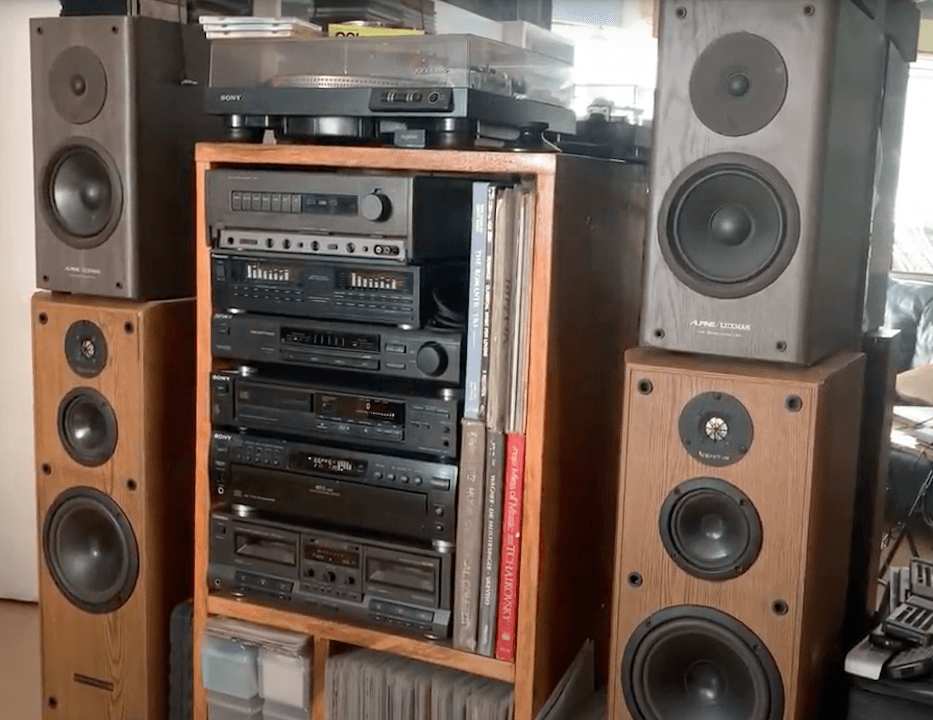
There was a time when listening to music wasn’t just something you did in the background. It was ritual. You’d hold the jacket of a vinyl LP like a sacred text, slide out the glossy black disc, brush away the dust, and drop the stylus into the groove with the kind of care usually reserved for fragile artifacts. The room would fill with warmth—bass rolling, highs softened, imperfections stitched into the whole experience. For decades, vinyl was the altar of sound. Its worshippers still insist it is the only true way to hear music as it was meant to be heard. Yet vinyl wasn’t perfect: it scratched, warped, and skipped. The turntable was hardly portable. For all its aura, it was bound to the living room.
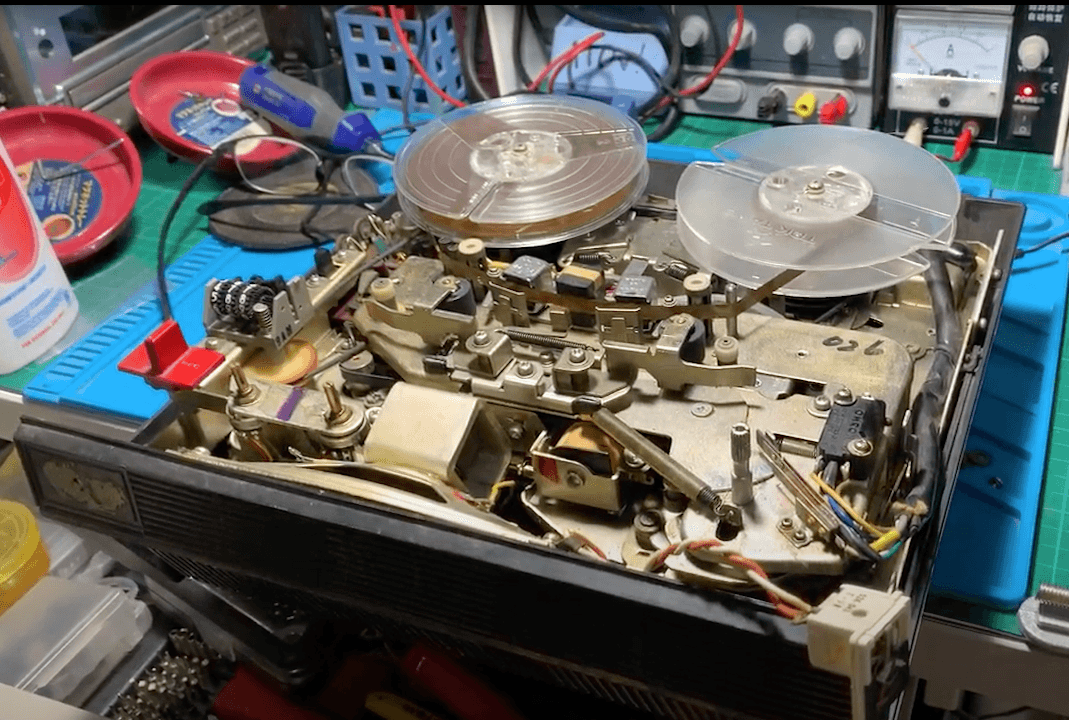
Before vinyl fully captured mainstream hearts, reel-to-reel tape machines had their devotees. In the 1950s and 60s, hi-fi hobbyists, like my grandfather, invested in hulking Teak or Pioneer decks, spooling tape like surgeons prepping an operating table. The fidelity was unmatched at the time: broader dynamic range, less distortion, cleaner highs. But reel-to-reel was the audio equivalent of driving a Formula One car to buy groceries. It required skill, space, and money. No teenager was going to carry one to the basketball court. Its reign remained confined to enthusiasts, studios, and archivists. Reel-to-reel wasn’t built for the masses.
The cassette revolution
Then came the cassette tape. Suddenly, music could fit in your pocket. The 1970s saw the arrival of a format so humble yet so disruptive that it reshaped listening habits for decades. The cassette was small, cheap, and recordable. You could dub your friend’s album, tape songs off the radio, or make your own mixtape for the object of your affection. The sound quality was compromised—there was hiss, flutter, and wear with each play—but portability outweighed perfection.
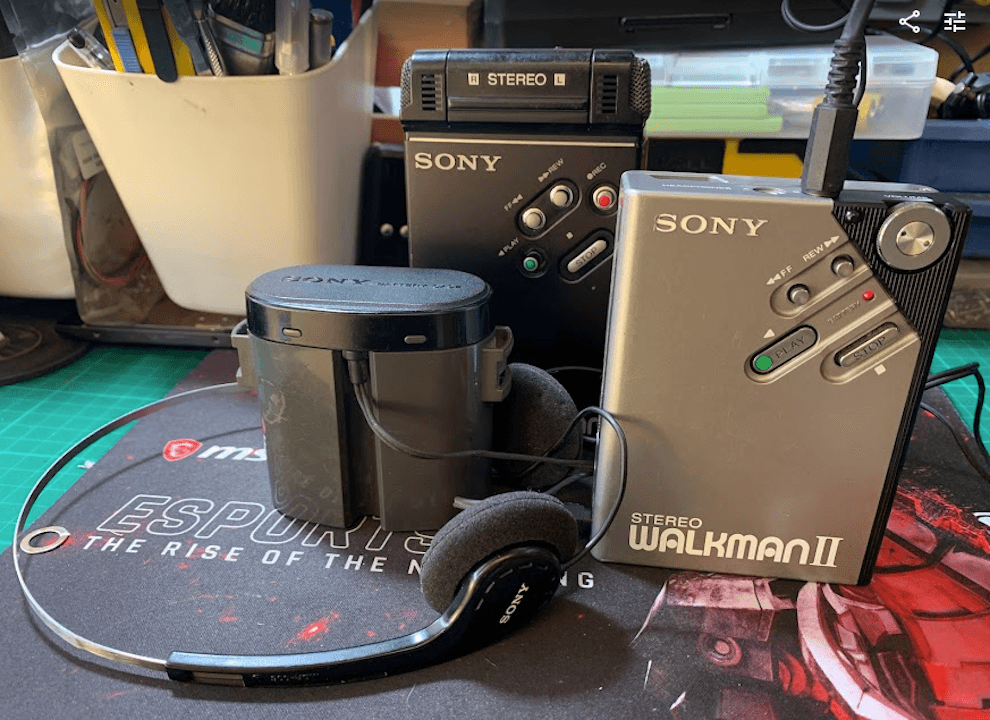
Sony’s Walkman, released in 1979, turned the cassette into a cultural weapon. Strapped with foam headphones and a pocket-sized player, you could take your personal soundtrack anywhere: buses, classrooms, at the park and malls. Suddenly, music was no longer shared communally—it was yours, pumped directly into your ears. Parents fretted about teenagers tuning out the world, but there was no turning back. The Walkman didn’t just revolutionize how we listened; it reshaped the idea of music as a deeply private, personal act.
The cassette tape also democratized music production. Independent bands with little money could record and distribute their work without the need for a vinyl pressing plant. Punk scenes thrived on tapes. Noise artists traded copies hand-to-hand. Underground culture, spawned by the likes of Twisted Red Cross or pirated music from A2Z Records, would not have existed in the same way without cassettes.
By the 1980s, the industry had a new promise: “perfect sound forever.” The Compact Disc arrived with the authority of digital science. No hiss, no crackle, no warps. Just shiny silver discs that offered clarity and convenience. CDs were more durable in some respects, though not immune to scratches. They could hold more music than vinyl, skip instantly between tracks, and fit neatly into racks that multiplied in middle-class homes across the world. By the 1990s, CDs dominated.
The CD’s reign also brought the CD-R—the recordable version that let listeners burn their own discs. Suddenly, the mixtape became the mix CD, and piracy skyrocketed. Napster was on the horizon, and the industry didn’t see the tidal wave coming. By the late 90s, the CD was both king and its own undoing.
The detours and dead ends
The road to digital wasn’t straight. Sony launched the MiniDisc in the early 90s, a clever format combining the portability of cassettes with digital recording quality. The discs were small, the players compact, and the sound nearly CD-level. But MiniDiscs arrived too late, caught between the CD’s dominance and the looming specter of MP3s. Outside of Japan, they barely survived.
Philips tried to evolve the cassette with the Digital Compact Cassette (DCC), but it was a clumsy compromise: backward-compatible with analog tapes yet unconvincing as a new standard. It flopped.
Between the cassette and the CD, there was a strange hybrid: DAT, or Digital Audio Tape. Launched by Sony in the mid-1980s, it looked like a miniaturized cassette and carried the promise of CD-quality digital recording in a portable shell. Studios loved it for its clarity, and journalists used it for field interviews because it was compact and reliable. For musicians, DAT was a godsend: you could master an album at home with pristine digital sound.
But DAT was also a nightmare for record labels. Suddenly, consumers could make perfect digital copies, indistinguishable from the original. The music industry panicked, lobbying governments to restrict DAT decks and slap them with hefty taxes. Prices stayed high, and consumer adoption never took off. DAT ended up stuck in a limbo—loved by professionals, ignored by the public.
Today, DAT exists only in archival basements and niche collections. For newcomers curious about its revival, the drawbacks are obvious. Machines are scarce, tapes are fragile, and replacement parts nearly extinct. While vinyl thrives and cassettes ride on nostalgia, DAT is a ghost format, remembered more for the industry panic it caused than for any mainstream success.
And then there was the infamous 8-track cartridge, beloved in 1970s cars and Marikina-bound jeepneys but cursed with awkward mechanics and sudden track changes mid-song. It was a novelty more than a solution, and by the 80s it was already a museum piece.
Each of these formats promised a future. Most became fossils.
And then, the late 1990s blew the doors open with the MP3. Music was no longer bound to a disc or tape. It became a file, easily shared, endlessly copied, compressed down to a fraction of its original size. Purists balked at the loss in fidelity, but the average listener didn’t care. What mattered was access. Napster, Kazaa, and LimeWire turned music into digital contraband, traded in internet cafes and USB thumb drives like candy.
Then Apple took the chaos and turned it into order. The iPod, launched in 2001, gave us “1,000 songs in your pocket.” That tagline said it all. With a sleek design and iTunes as its companion, the iPod didn’t just sell hardware—it reshaped music consumption. Entire libraries could travel with you. The Walkman was dead. The Discman was obsolete. Even the mix CD was irrelevant. The iPod defined the 2000s, but it also fractured the album into singles again. Songs were downloaded piecemeal, shuffled endlessly, consumed like fast food.
Streaming eats the world
Streaming was the final act in this march toward convenience. Spotify, Apple Music, YouTube Music, Tidal—suddenly, we didn’t need to own music at all. We rented access to a cloud of infinite songs. For a monthly fee, every era, every genre, every obscure track was available on demand. The fidelity varied, but convenience crushed all.
For audiophiles, streaming felt like betrayal. For everyone else, it was liberation. Music became background, playlists generated by algorithms humming in cafés, gyms, offices, commutes. The album as an artistic statement diminished further. Ownership vanished. You don’t keep music anymore; you borrow it until your subscription lapses.
And yet, even in this digital saturation, the old formats refused to die. Vinyl sales began climbing again in the 2010s, baffling an industry that had written them off. Today, vinyl is more than a curiosity. It outsells CDs in some markets. Indie bands press limited runs. Major labels reissue classics. Urban Outfitters sells turntables next to fashion accessories. For Gen Z, vinyl is exotic. For older generations, it’s a return to roots.
Cassettes, too, have staged a micro-comeback. Indie bands sell them at shows as collectibles. Limited editions vanish into the hands of fans who barely own cassette players. Nostalgia drives it, but so does rebellion against the ephemerality of streaming. The hiss, the rewind button, the clunky mechanics—they’re part of the charm.
Even MiniDiscs and reel-to-reel decks have carved out niche followings. Online forums buzz with collectors trading gear, swapping parts, sharing the joy of formats that once seemed laughably obsolete.
What’s in it for you?
But what should newcomers expect when jumping into these revivals? The romantic image doesn’t always match reality.
Vinyl may sound warm, but it’s also expensive. A decent turntable costs more than a year of Spotify subscriptions. Records themselves are pricey, and they require cleaning, careful storage, and constant vigilance. Expect pops, clicks, and occasional skips. If you’re after convenience, stay away. If you want ritual, vinyl rewards patience.
Cassettes are fun in a lo-fi way, but they degrade fast. They hiss. They stretch. The mechanics of old players break easily, and new players are often cheap knockoffs. If you’re buying tapes today, treat them as souvenirs, not long-term listening tools.
MiniDiscs are durable and sound great, but the ecosystem is fragile. Replacement players are scarce, parts rarer. Owning one today means scouring secondhand markets and praying your device doesn’t fail. It’s for tinkerers and collectors, not casual listeners.
Reel-to-reel is a rabbit hole of its own. The fidelity is excellent, but the gear is massive, the tapes expensive, and the maintenance relentless. Unless you’re running a boutique studio, reel-to-reel is a museum hobby.
Should it stay or should it go?
If you’re simply looking to enjoy music, stay with streaming or digital files. The old formats are labor-intensive, expensive, and impractical. They are cultural statements more than technological solutions. Owning vinyl or cassettes today is as much about identity as it is about listening. They say: I value the tangible, the ritual, the imperfections. But for most listeners, those imperfections are just annoyances.
The reality is that old and new formats now live side by side. People stream for convenience but buy vinyl for the experience. They subscribe to Spotify for workouts but spin records on weekends. The comeback isn’t about replacing digital; it’s about balance. It’s about finding meaning in listening when music has become so disposable.
What’s striking is how every format—from vinyl to streaming—tells the same story: convenience eventually wins. Vinyl lost to cassettes. Cassettes lost to CDs. CDs lost to MP3s. MP3s gave way to streaming. Yet every time, a counterculture pushes back, longing for the rituals lost in the rush.
Maybe that’s the point. The formats matter less than the fact that we never stop renegotiating what listening means. Some chase fidelity. Some chase convenience. Others chase nostalgia. Music adapts, surviving every technological upheaval.
At the end of the day, it’s the music that matters, not the format.
———-
WATCH TECHSABADO ON OUR YOUTUBE CHANNEL:
WATCH OUR OTHER YOUTUBE CHANNELS:
PLEASE LIKE our FACEBOOK PAGE and SUBSCRIBE to OUR YOUTUBE CHANNEL.
PLEASE LIKE our FACEBOOK PAGE and SUBSCRIBE to OUR YOUTUBE CHANNEL.