GADGETS | Sunday round-up: Tourism, retail, fintech shift toward experience-centric innovation
New deployments in connectivity, wearables, and AI-enabled financial services mark a broader shift toward infrastructure that responds to rising consumer demand
Philippine tourism, consumer electronics retail, and digital banking players are tightening their focus on tech-driven customer experience as the country heads into the peak holiday and travel season. New deployments in connectivity, wearables, and AI-enabled financial services mark a broader shift toward infrastructure that responds to rising consumer demand for seamless journeys, secure transactions, and personalized services.
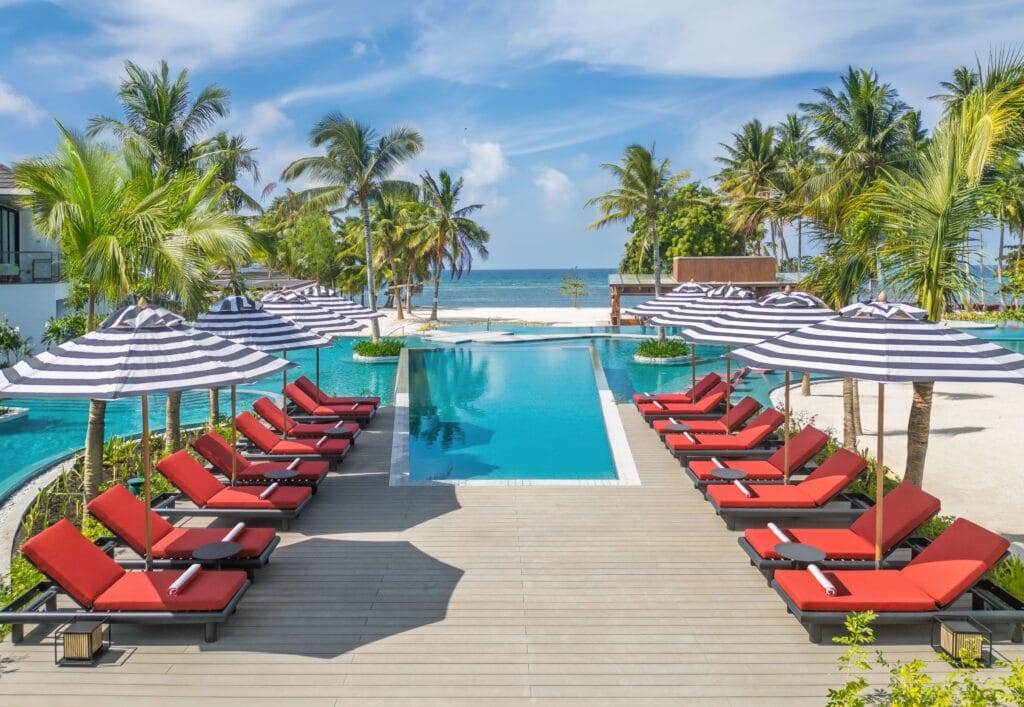
In Bohol, the newly opened South Palms Resort & Spa Panglao – MGallery Collection is positioning itself as a digitally capable destination, adopting a full-stack Alcatel-Lucent Enterprise network to support high-speed, resort-wide connectivity . The resort, which opened in August 2025, features 188 rooms on six hectares of coastline, making it one of Panglao’s largest luxury developments to date.
ALE deployed a full-stack solution that includes OmniSwitch 6360 switches, a Hybrid Passive Optical LAN, and ruggedized OmniAccess Stellar access points engineered to withstand outdoor conditions. The network is meant to streamline guest services while supporting back-end operations such as data-heavy hospitality systems and staff communications.
“To meet the scale and luxury demands of South Palms Panglao MGallery, we knew the solution had to be more than just technology — it had to be a unified ecosystem,” said Dirk Dumortier, ALE director of strategic partnership for APAC. Technology consultant Pertlink also noted that the resort’s wide horizontal layout made hybrid optical LAN installations optimal for stable Wi-Fi coverage, giving the property a future-ready backbone that supports operations as visitor traffic grows.
The move reflects a wider recovery in Philippine tourism, with connectivity increasingly viewed as a fundamental amenity on par with room quality and leisure facilities. The infrastructure is also meant to support electronic payments, digital concierge services, and on-site experiences that rely on stable data systems.
Wearable tech targets divers
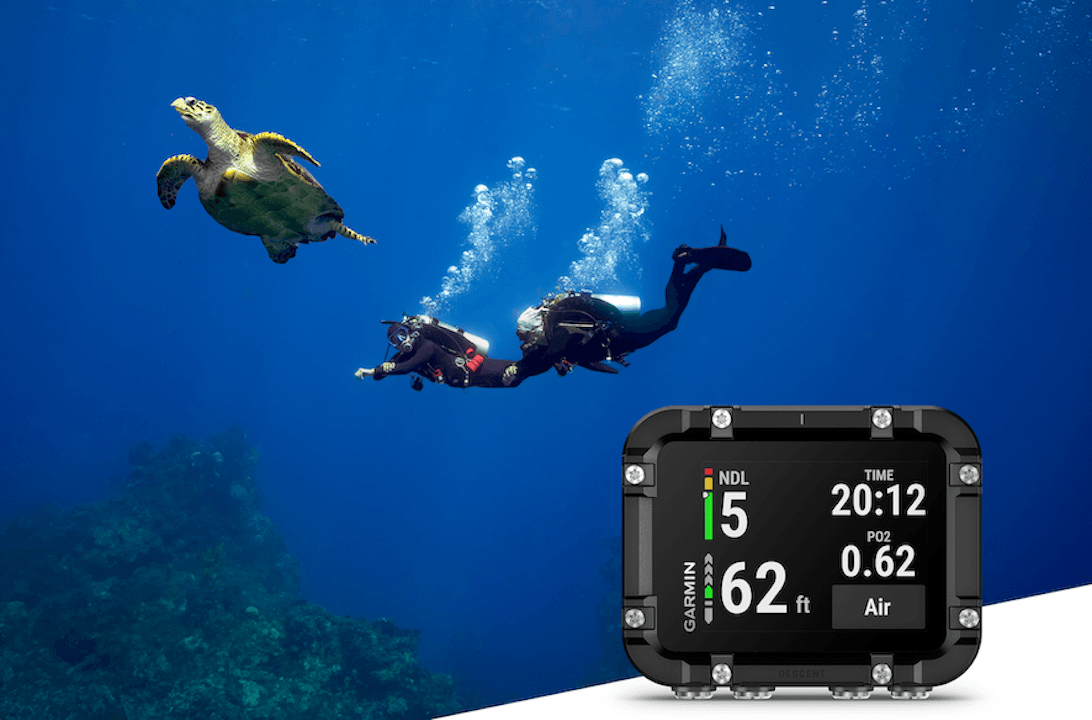
Garmin’s new Descent X30, introduced to the Philippine market this month, aligns with the surge in diving activity across sites such as Panglao, Balicasag, Malapascua, and Anilao. The device features a 2.4-inch display, recycled ocean-bound plastics in its housing, and 30 hours of battery life for multi-dive days .
“We understand how important it is for recreational divers to have a large, bright display that is easy to read below the surface,” said Susan Lyman, Garmin vice president for consumer sales and marketing. With NDL Aware metrics, GPS tagging through the Dive app, and support for multi-gas profiles including trimix, the Descent X30 caters to both beginner and advanced divers, making it a timely release for regions marketing themselves as marine tourism hubs.
The eco-friendly design also aligns with sustainability efforts across coastal destinations seeking to balance visitor influx with marine protection.
Fintech pushes AI to expand access
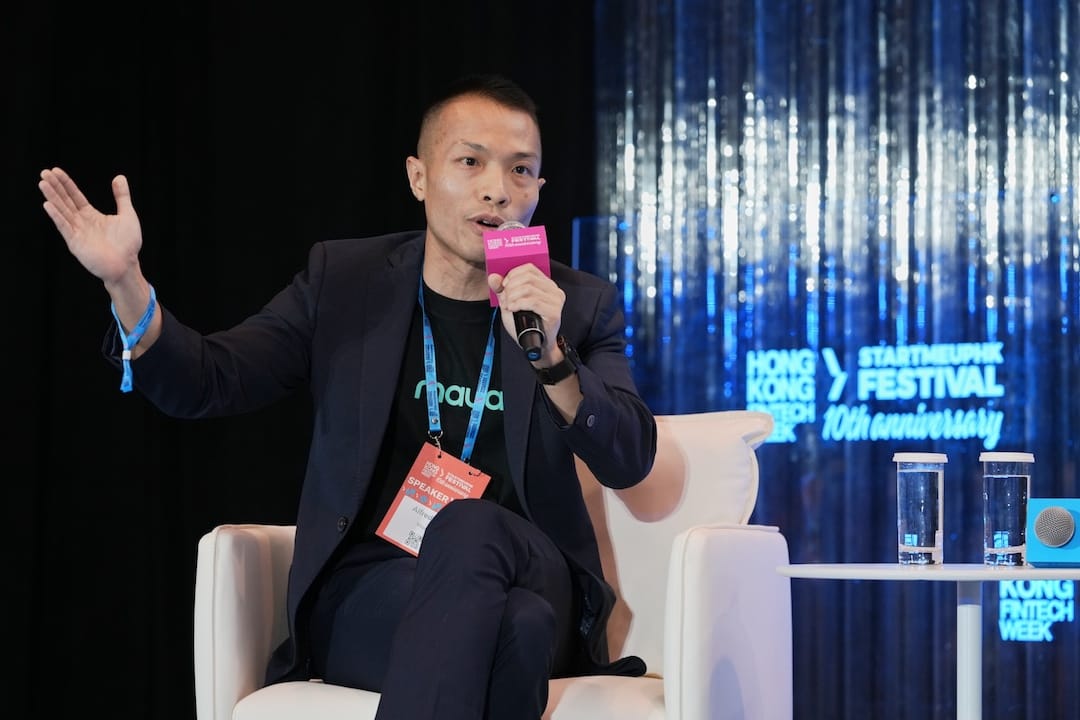
Maya’s participation in Hong Kong FinTech Week underscored how AI is reshaping financial access at a time when consumer spending, borrowing, and digital payments typically spike. Maya Group CTO Alfred Lo described AI as “the new infrastructure of finance,” noting that the company processes tens of thousands of loan applications daily through behavioral and transactional models that automate risk assessment .
Maya reported more than 8.2 million bank customers and P152 billion in cumulative loan disbursements as of June 2025. Lo said the bank’s AI models have helped lower default rates while enabling more inclusive lending — an important development in a market where, per the BSP’s Financial Inclusion Survey, most borrowers still rely on informal sources.
The approach supports the broader digital payments ecosystem, which typically sees heightened activity from November to January due to holiday shopping, travel, and remittances.

Peak buying season
With Apple devices topping local gift lists, Power Mac Center has launched discounts, trade-in offers, and loyalty rewards under its “Wrapped in Wonders” campaign as year-end buying accelerates .
Offers include markdowns on select iPhone models, reductions on accessories, online-exclusive deals, and bonus rewards for members of the 1 Infinite loyalty program.
PMC marketing director Joey Alvarez said the campaign focuses on strengthening connections during the holidays. The retailer expects strong demand as hybrid work setups, travel, and family gatherings drive purchases of devices used for communication, content creation, and productivity.
The promotions also align with sectorwide trends: Philippine electronics retailers traditionally experience their highest foot traffic from late November to mid-January, boosted by Christmas shopping and post-holiday upgrades.
Experience-led holiday season
Across sectors, the emphasis is clear: digital readiness is now a prerequisite for businesses preparing for the holiday surge. Resorts are investing in network resilience, dive operators and marine travelers are turning to more advanced wearables, digital banks are leaning on AI to scale secure services, and retailers are creating omnichannel experiences that keep pace with rising consumer expectations.
As the Philippines enters the final stretch of 2025, these parallel upgrades place technology at the core of how travelers, shoppers, and everyday users navigate the season’s busiest months.
————————————————————————-
WATCH TECHSABADO ON OUR YOUTUBE CHANNEL:
WATCH OUR OTHER YOUTUBE CHANNELS:
PLEASE LIKE our FACEBOOK PAGE and SUBSCRIBE to OUR YOUTUBE CHANNEL.
PLEASE LIKE our FACEBOOK PAGE and SUBSCRIBE to OUR YOUTUBE CHANNEL.