TELECOM | PLDT, Smart expand connectivity, AI, digital inclusion initiatives nationwide
The initiatives reflect a multipronged approach to telecom development that links infrastructure buildout with skills training, institutional modernization, and responsible AI adoption.
A broad push to strengthen connectivity, modernize public services and widen access to artificial intelligence is underway across the Philippines as new partnerships and deployments roll out in education, local government, leisure facilities, and geographically isolated and disadvantaged areas.
The initiatives, announced in recent weeks, span public schools in Metro Manila, remote communities in Luzon and the Visayas, and private-sector sites such as large leisure estates, reflecting a coordinated effort to address long-standing gaps in internet access while preparing institutions for more data- and AI-driven operations.
Education, local government connectivity
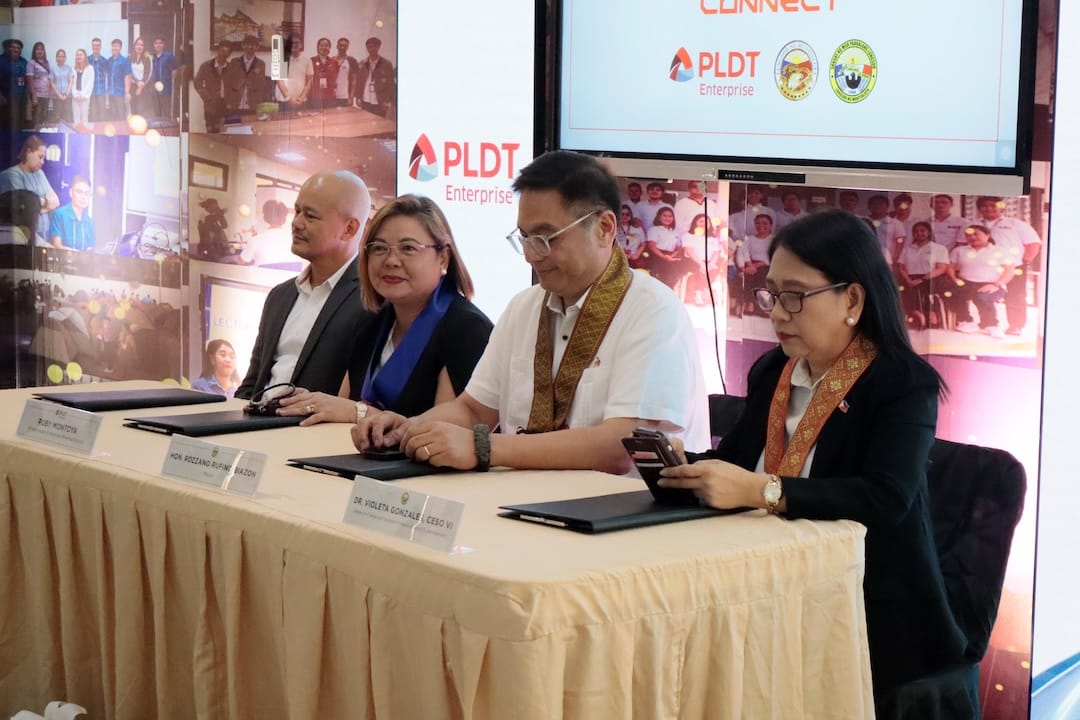
In southern Metro Manila, more than 25,000 students and teachers are set to benefit from a new connectivity partnership covering 29 public schools in Muntinlupa City. The project, implemented with the city government and the local Schools Division Office of the Department of Education, introduces enterprise broadband, campuswide Wi-Fi, and satellite internet to support digital learning platforms and automate administrative tasks.
Officials said the deployment is expected to reduce reporting and compliance processes that previously took days to real time, allowing teachers to focus more on instruction and student support. Training for school administrators and staff is also underway to ensure effective use of the new systems.
Mayor Rozzano Rufino Biazon said reliable internet access has become a basic requirement for modern education, while enterprise officials described the initiative as part of a broader effort to build future-ready, digitally enabled public institutions.
Reaching remote, underserved areas
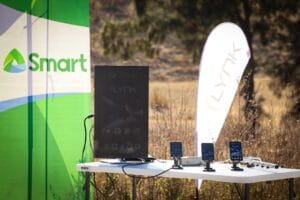
Beyond urban centers, connectivity upgrades are being pushed into geographically isolated and disadvantaged areas, or GIDAs, through a mix of fixed, wireless, and satellite technologies. These include trials of point-to-multipoint broadband wireless access, laser-based communications, and direct-to-device satellite connectivity aimed at maintaining basic mobile services even when traditional cell infrastructure is unavailable.
Telecom executives said collaboration with national agencies and local governments has been critical in speeding up permits and deployments, particularly in hard-to-reach locations. Programs such as the government’s Bayanihan SIM initiative, which provides subsidized mobile data to students and teachers in remote communities, are also being supported through these partnerships.
The expansion is positioned as part of a long-term strategy to support hybrid work, online learning, and the digital delivery of public services, including e-government and e-health care, in areas historically left out of major network upgrades.
Preparing for an AI-driven economy
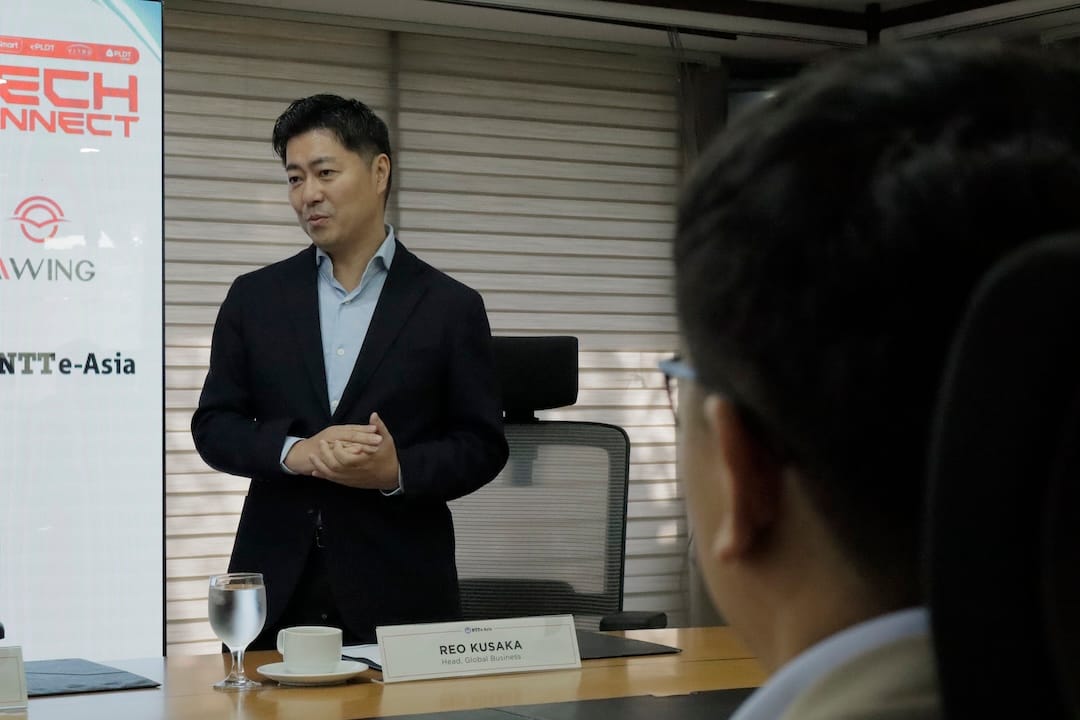
Alongside network expansion, investments are being directed toward making Philippine institutions AI-ready. The country’s largest integrated fixed and wireless networks are being paired with hyperscale data center capacity designed specifically for AI workloads, including a facility in Laguna’s fast-growing technology corridor.
These infrastructure investments underpin a sovereign AI platform intended to allow local enterprises and public agencies to use advanced AI tools while keeping data hosted within the country. Executives involved in the program said the goal is to lower barriers to adoption for sectors such as banking, health care, government, and business process outsourcing without requiring each organization to build its own AI infrastructure.
Leadership appointments within the enterprise group have been made to oversee AI strategy and use-case development, with a focus on productivity gains, process automation, and improved customer experience.
Inclusion, accessibility initiatives
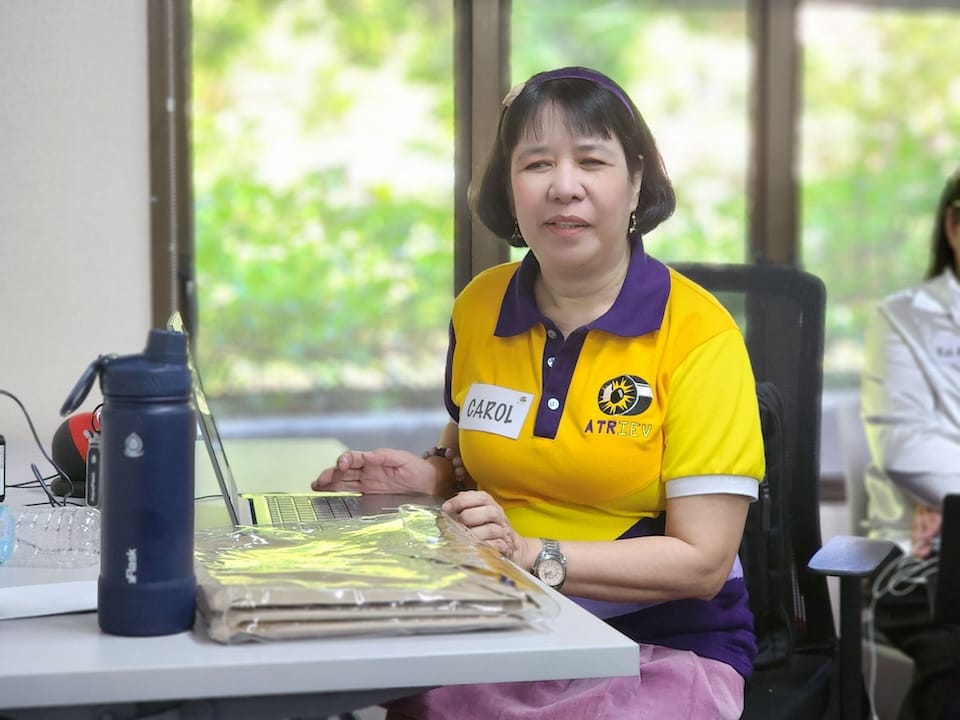
Parallel to infrastructure investments, digital inclusion programs are being expanded to ensure technology benefits reach marginalized sectors. Training initiatives under a broader inclusion framework have introduced AI-powered and mobile accessibility tools to teachers, parents, and persons with disabilities, covering areas such as screen readers, speech-to-text applications, and basic digital business skills.
Organizers said more than 300 persons with disabilities were trained last year, with additional workshops helping participants form vendor associations and access new income opportunities through online platforms. Programs have also been extended to support journalists, local government workers, and community organizations with AI literacy and digital security skills.
Private sector applications
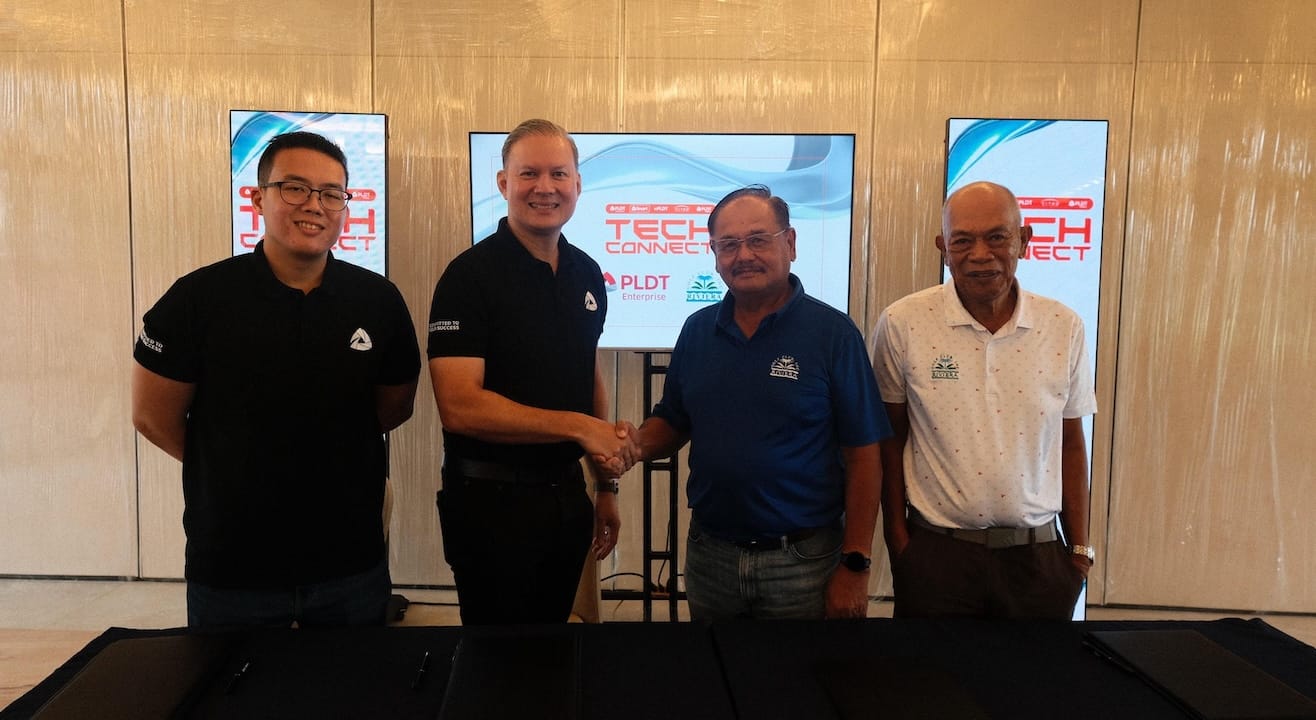
In the private sector, similar connectivity solutions are being deployed in large, spread-out properties where traditional cabling is impractical. At Riviera Golf Club in Cavite, satellite internet is now being used to connect on-course facilities such as tea houses and point-of-sale systems, improving real-time coordination with the main clubhouse.
Club officials said the upgrade resolves long-standing connectivity issues across the estate and supports more efficient customer service, while enterprise representatives described the project as an example of how satellite and wireless technologies can complement fixed networks in challenging environments.
Broader national goals
The initiatives reflect a multipronged approach to telecom development that links infrastructure buildout with skills training, institutional modernization, and responsible AI adoption. Industry and government partners said the effort aligns with national priorities on education, innovation, and digital inclusion, as well as with global sustainable development goals related to quality education, industry, and reduced inequalities.
Companies involved, including PLDT and its wireless unit Smart Communications, said the challenge ahead is sustaining momentum while ensuring new technologies remain accessible, affordable, and relevant to everyday needs across the country.
————————————————————————-
WE ARE 10 YEARS OLD! TEN YEARS OF TECHSABADO, IMAGINE THAT.
WATCH TECHSABADO ON OUR YOUTUBE CHANNEL:
WATCH OUR OTHER YOUTUBE CHANNELS:
PLEASE LIKE our FACEBOOK PAGE and SUBSCRIBE to OUR YOUTUBE CHANNEL.
PLEASE LIKE our FACEBOOK PAGE and SUBSCRIBE to OUR YOUTUBE CHANNEL.