SCI-TECH | UNESCO names new biosphere reserves, expands global sustainability network
The new designations span every continent and a wide range of ecosystems.
Source: UNESCO
UNESCO has added 26 new biosphere reserves to its World Network, strengthening a global system that now covers more than 780 sites in 136 countries. The announcement was made September 27 at the 5th World Congress of Biosphere Reserves in Hangzhou, China, where Director-General Audrey Azoulay called for renewed international action to confront climate change and biodiversity loss.
“These reserves cover nearly six percent of the Earth’s land surface and shelter more than 300 million people,” Azoulay told delegates. “They are living laboratories where communities, scientists, and policymakers test solutions that reconcile human activity, natural systems, and science.”
Global sites, shared mission
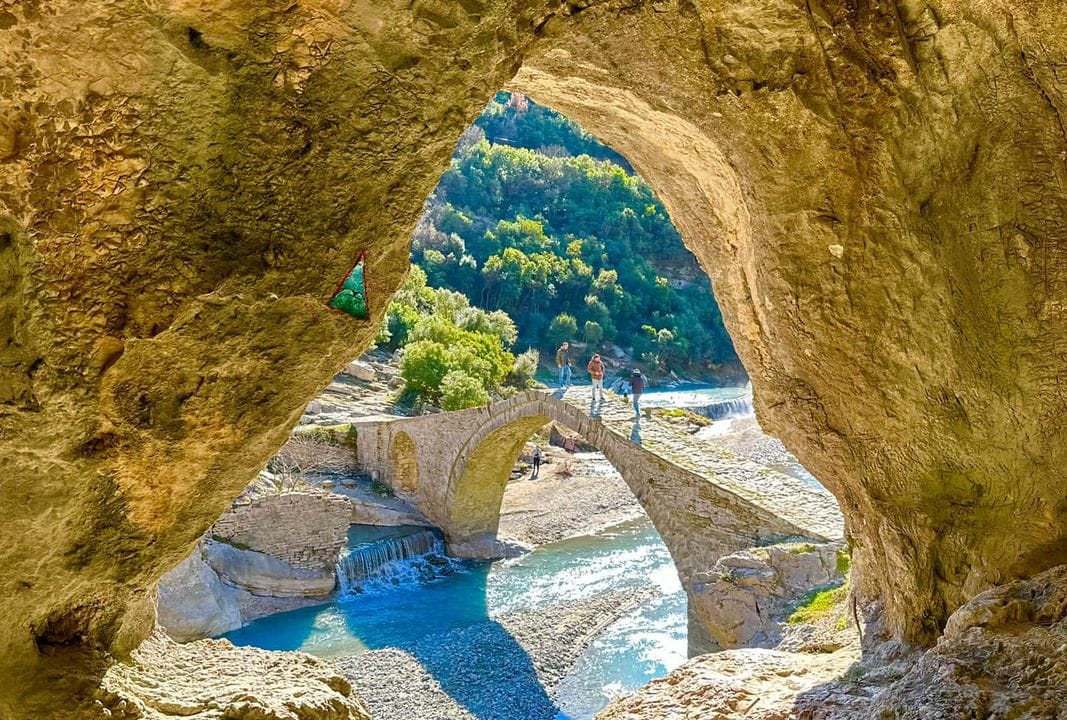
The new designations span every continent and a wide range of ecosystems. Europe’s Vjosa Valley in Albania is one of the continent’s last intact wild rivers, while Quiçama in Angola protects 33,160 square kilometers of savannah, mangroves, and offshore islands along the Atlantic.
In Asia, China’s Daqingshan and Zhouzhi reserves safeguard species like the Qinling panda and Przewalski’s horse, while India’s Cold Desert Reserve highlights fragile Himalayan highlands threatened by climate change. Raja Ampat in Indonesia, at the heart of the Coral Triangle, contains over 75 percent of global coral species, while Malaysia’s Kinabatangan Reserve in Sabah supports endangered orangutans and pygmy elephants alongside experiments in sustainable oil palm agroforestry.
Africa’s new designations include Isla de Bioko in Equatorial Guinea, rich in primates and volcanic ecosystems; Anywaa Forest in Ethiopia, a vital ecological corridor contributing nearly 40 percent of the Nile’s flow; and Madagascar’s Mantadia and Tsimembo reserves, which link rainforest lemurs with traditional Indigenous conservation practices.
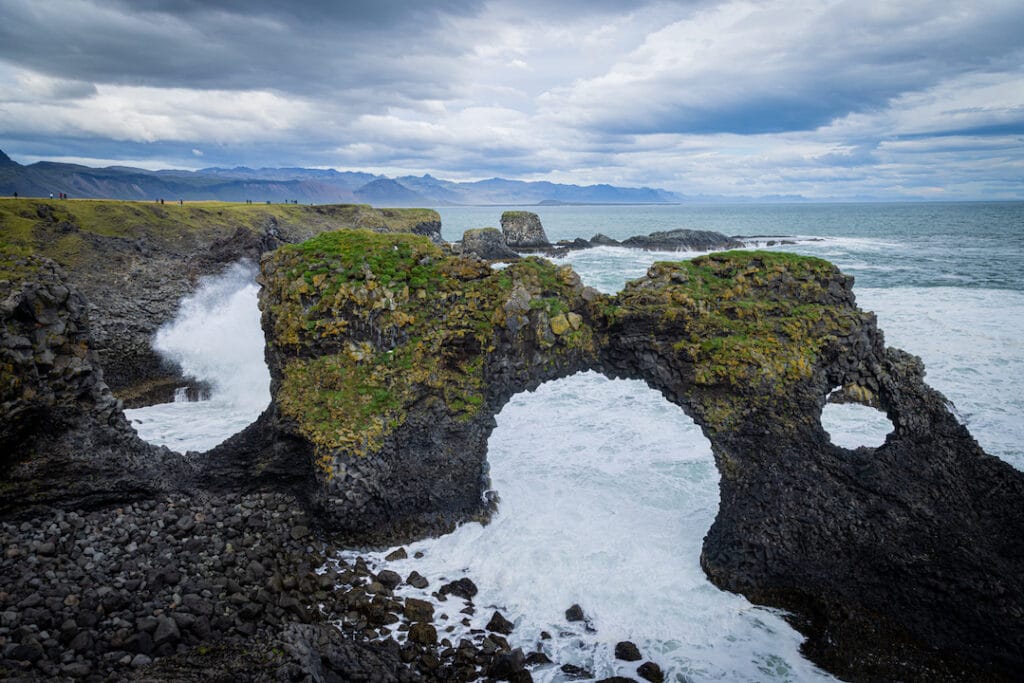
The Middle East adds Oman’s Al Jabal Al Akhdar and Sirrin reserves, protecting the endangered Arabian tahr, and Saudi Arabia’s Imam Turki Bin Abdullah Reserve, one of the largest desert biospheres in the world. In Europe, Arrábida in Portugal, Mount Parnon in Greece, Storkriket in Sweden, and Snæfellsnes in Iceland link biodiversity with cultural traditions.
Technology, knowledge, and education
UNESCO emphasized that biosphere reserves are not only protected areas but also testbeds for technology-driven sustainability. Programs such as IslandWatch, already active in Mauritius and Seychelles, use digital monitoring tools to track coastal change, while the Yangambi Biosphere Reserve in the Democratic Republic of Congo is being transformed into a climate observation hub with advanced sensors and data-sharing platforms.
The agency also announced two new studies: one on integrating Indigenous knowledge into ecosystem management and another on soil health practices within UNESCO sites, aimed at shaping public policy.
Education remains a key pillar. The Greening Education Partnership now involves over 80,000 schools in 86 countries, while the eDNA Expeditions program trains teachers and students to map marine biodiversity using environmental DNA analysis — a field where genomics, field sensors, and data analytics converge.
The 2025–2035 plan
Azoulay outlined the new Strategic Action Plan for the next decade, which targets the restoration of 30 percent of degraded ecosystems by 2035 and calls for reducing human pressures on biodiversity through integrated risk and pollution management.
“We must aim for every UNESCO member state to have at least one biosphere reserve by 2030,” Azoulay said. “Protecting the biosphere is a universal duty, one no state can abdicate.”
She closed by quoting Laozi: “All things arise in unison and each returns to its source.”
Why it matters
For scientists and policymakers, the new designations underscore the growing role of biosphere reserves as data-rich platforms for innovation. From climate monitoring in African rainforests to coral reef genomics in Southeast Asia, these sites demonstrate how technology, culture, and ecology converge to provide real-time insights for global sustainability.
With the addition of these 26 sites, UNESCO’s network now functions as both a conservation system and a distributed knowledge infrastructure — a kind of “planetary observatory” where people, science, and ecosystems are interlinked.
WATCH TECHSABADO ON OUR YOUTUBE CHANNEL:
WATCH OUR OTHER YOUTUBE CHANNELS:
PLEASE LIKE our FACEBOOK PAGE and SUBSCRIBE to OUR YOUTUBE CHANNEL.
PLEASE LIKE our FACEBOOK PAGE and SUBSCRIBE to OUR YOUTUBE CHANNEL.