SPECIAL FEATURE | Australia shields under-16s from social media as ban raises online safety, mental health concerns
Although the Australian ban is unprecedented, the rationale behind it aligns with a decade of international research linking early-adolescent social media exposure to anxiety, depression, body image issues, self-harm content, compulsive use and unsafe interactions.
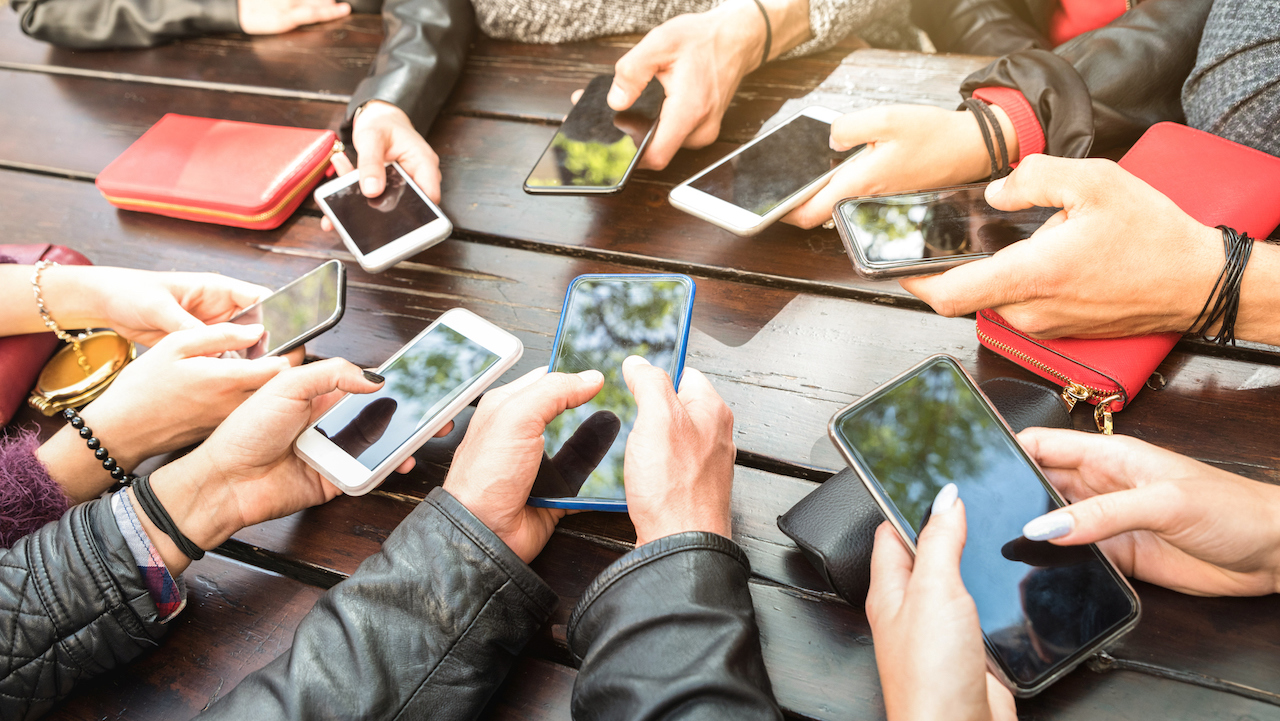
Teenager people having fun using smartphones - Millenial community sharing content on social media network with mobile smart phones - Technology concept with millennial playing with cellphone devices (Teenager people having fun using smartphones - Mil
Australia is set to implement the world’s first nationwide ban on social media access for children under 16, drawing attention across the Asia-Pacific region as concerns grow over how digital platforms affect young users. The Online Safety Amendment (Social Media Minimum Age) Bill 2024, which takes effect on December 10, 2025, requires major platforms including Facebook, Instagram, TikTok, Snapchat, X, YouTube, Reddit and Twitch to block underage accounts or face penalties reaching $50 million.
The law responds to disturbing national findings: an estimated 96 percent of Australian children ages 10 to 15 use social media; seven in 10 have encountered harmful or violent content; more than half have experienced cyberbullying; and one in seven reported grooming-type interactions with adults or older teens. Researchers note that these patterns mirror early exposure trends in Southeast Asia, including the Philippines, where high mobile usage, low entry barriers and algorithm-driven feeds create similar risks for younger users.
Although the Australian ban is unprecedented, the rationale behind it aligns with a decade of international research linking early-adolescent social media exposure to anxiety, depression, body image issues, self-harm content, compulsive use and unsafe interactions. Scientific evidence from the American Psychological Association, the U.S. Surgeon General, Singapore’s Ministry of Health and the European Commission’s Joint Research Centre consistently points to a vulnerable developmental window between ages 10 and 14, when young people are highly sensitive to social validation and digital influence.
Research points to heightened vulnerability
The APA’s 2023 health advisory emphasizes that adolescents undergo rapid brain development between ages 10 and 14. During this period, neurological systems tied to reward, attention and peer approval outpace the development of self-regulation and impulse control. This developmental imbalance makes young teens especially reactive to likes, comments and algorithmically curated content, which platforms are designed to amplify. The APA stresses that while social media is not inherently harmful, the risks intensify when immature users engage with platform features built around engagement and feedback.
The U.S. Surgeon General’s 2023 report raises similar concerns, describing social media as a “profound risk of harm” to youth mental health. The advisory highlights rising rates of anxiety, depressive symptoms and self-harm behaviors among heavy users, noting that sleep disruption—a strong predictor of mental distress—is significantly more common among adolescents glued to endless feeds and notifications.
A 2024 umbrella review by the European Commission’s Joint Research Centre synthesizes findings from 24 systematic reviews and meta-analyses. The review concludes that social media exposure shows a “small but consistent” negative association with adolescent well-being, driven by cyberbullying, harmful content, compulsive scrolling and appearance-related pressures. Cyberbullying, in particular, affects up to 30 percent of teens in some regions. Exposure to self-harm content has been shown to reinforce similar behavior among vulnerable users. Meanwhile, compulsive usage patterns—reinforced by infinite scroll, alerts and algorithmic recommendations—interfere with sleep and emotional stability. Appearance-focused platforms intensify self-comparison, especially among girls, contributing to body dissatisfaction, low self-esteem and social anxiety.
Singapore’s national advisory on youth mental health adds that early social media use intensifies perfectionism, negative comparison and performance pressure. Local clinicians note heightened vulnerability among LGBTQ+ youth, who often face stigma both offline and online.
PH, ASEAN context
Across the Philippines, counselors and educators report rising cases of anxiety, harassment and sleep disruption among minors tied to late-night scrolling, group chat conflicts and exposure to viral content. Filipino children typically access social platforms before age 10 through shared devices, reflecting a wider ASEAN trend. Indonesia, Thailand, Vietnam and Malaysia report similar patterns of early adoption, high screen time and limited age checks.
Despite long-standing concerns about child safety online, no ASEAN country has proposed a prohibition similar to Australia’s. Singapore has issued guidelines recommending limited exposure before adolescence. Malaysia is exploring stricter content moderation rules. The Philippines has strengthened child online protection policies and digital literacy programs, but regulators have not pushed for mandatory age verification or platform-wide restrictions.
Predatory behavior, safety gaps
Australia’s commissioned study found that one in seven children experienced grooming-type interactions online, reflecting a problem well-documented across Southeast Asia. The Philippines remains a global hotspot for online sexual exploitation of children, according to international law enforcement agencies. Features such as anonymous messaging, disappearing content and unmoderated live streams—common across major platforms—create environments where minors can be approached by adults without detection. The U.S. Surgeon General notes that these design weaknesses make it difficult for young teens to assess danger or recognize manipulation.
The research consistently identifies early adolescence as a critical period. Social validation becomes a major emotional driver, identity formation accelerates, and peer influence rises while parental influence temporarily declines. Because impulse control and risk assessment systems are still maturing, adolescents are more vulnerable to pressures involving appearance, popularity, sexuality and performance—all of which are intensified by algorithmic feeds and recommendation systems.
While risks dominate public debate, researchers emphasize that social media can provide benefits when used appropriately. Adolescents who lack offline support networks—such as those experiencing chronic illness, discrimination or isolation—may find valuable community and affirmation online. Platforms also support digital creativity, civic engagement and skill-building, especially for older teens with stronger self-regulation and critical thinking skills.
In Southeast Asia, these benefits are evident among Filipino and ASEAN youth who use social platforms for education, advocacy, personal projects and livelihood opportunities. Because of this, regional mental health advocates caution that strict bans may remove important support structures for vulnerable teens.
Implications for regional policy
Australia’s ban marks a pivotal moment in global youth safety regulation. While its effectiveness remains to be tested, the move underscores a growing consensus that current platform designs, moderation systems and industry practices are inadequate for protecting minors. ASEAN regulators and Philippine lawmakers are observing the rollout closely, especially as discussions continue around age assurance, algorithmic transparency and platform accountability.
For the Philippines and its neighbors, the challenge will be balancing youth protection with equitable access, digital literacy and the social benefits of online communities. Researchers caution that meaningful change will require platform redesign, regulatory oversight and cross-border cooperation. Whether a ban or a different regulatory approach emerges, the evidence is clear: early-adolescent exposure to unregulated social media environments carries risks that the region can no longer afford to ignore.
————————————————————————-
WATCH TECHSABADO ON OUR YOUTUBE CHANNEL:
WATCH OUR OTHER YOUTUBE CHANNELS:
PLEASE LIKE our FACEBOOK PAGE and SUBSCRIBE to OUR YOUTUBE CHANNEL.
PLEASE LIKE our FACEBOOK PAGE and SUBSCRIBE to OUR YOUTUBE CHANNEL.