ENTERTAINMENT | Which anime are worth watching this staycation season?
Power fantasies coexist with survival narratives, optimism with anger, spectacle with restraint, as these animes form a portrait of an audience navigating uncertainty—looking for control, meaning, or simply rest.
Year-end anime lists tend to blur together. Promotional language replaces critique, and everything is framed as “perfect for the holidays.” Strip that away, and what remains is more interesting: a snapshot of what modern anime is doing well, where it’s repeating itself, and why certain stories resonate far beyond their original markets.
This season’s Crunchyroll-heavy recommendations span power-fantasy dominance, dystopian anger, scientific optimism, and low-stakes comfort viewing. Taken together, they reflect a year shaped by instability, adaptation, and the quiet search for agency—both individual and collective.
What follows is a grounded look at what each title actually brings to the table, and who they’re really for.
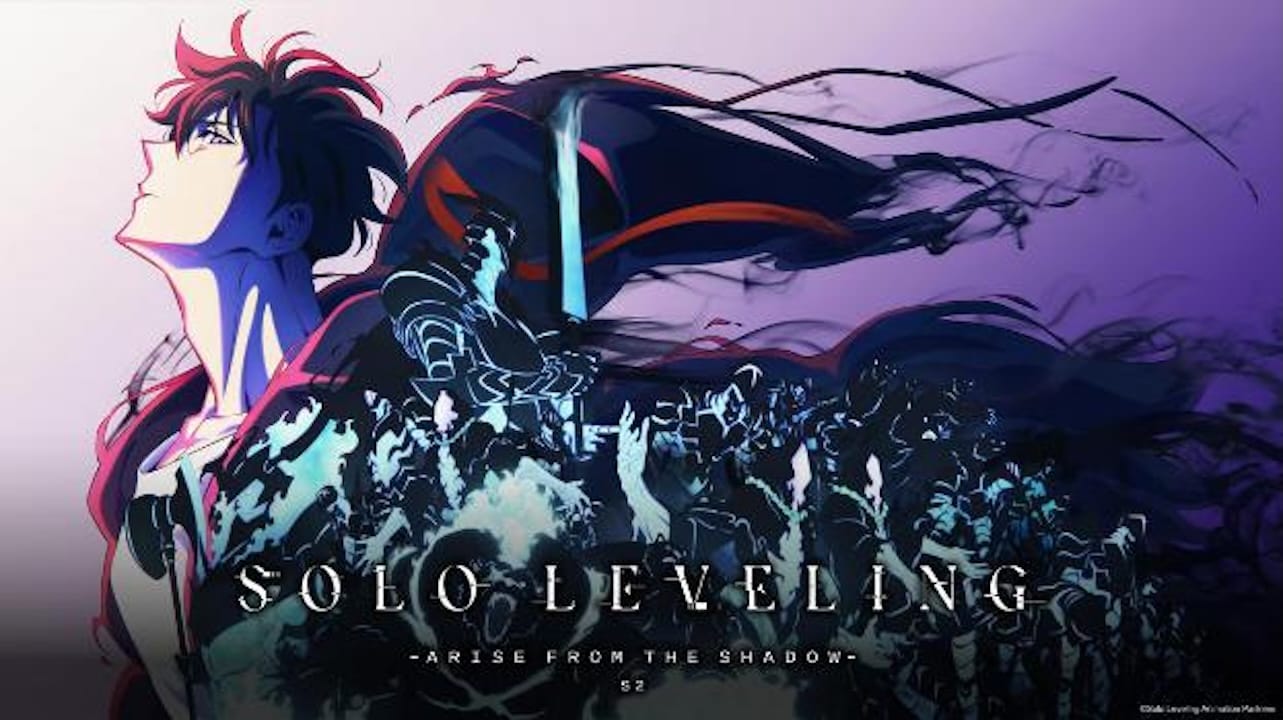
Solo Leveling
Few anime in recent memory have crossed borders as aggressively as Solo Leveling. Adapted from a South Korean web novel and webtoon, its rise mirrors the globalization of fandom itself—platform-driven, algorithm-boosted, and relentlessly serialized.
At its core, the show is about structured power acquisition. Sung Jinwoo’s mysterious “System” turns survival into arithmetic: fight, level up, repeat. That loop is precisely why it works. In an era shaped by games, dashboards, and quantified progress, Solo Leveling speaks a familiar language.
The danger is sameness. The show thrives on escalation but risks flattening emotional stakes as Jinwoo grows untouchable. Still, its production values, pacing discipline, and global appeal make it one of the most significant anime exports of the past two years.
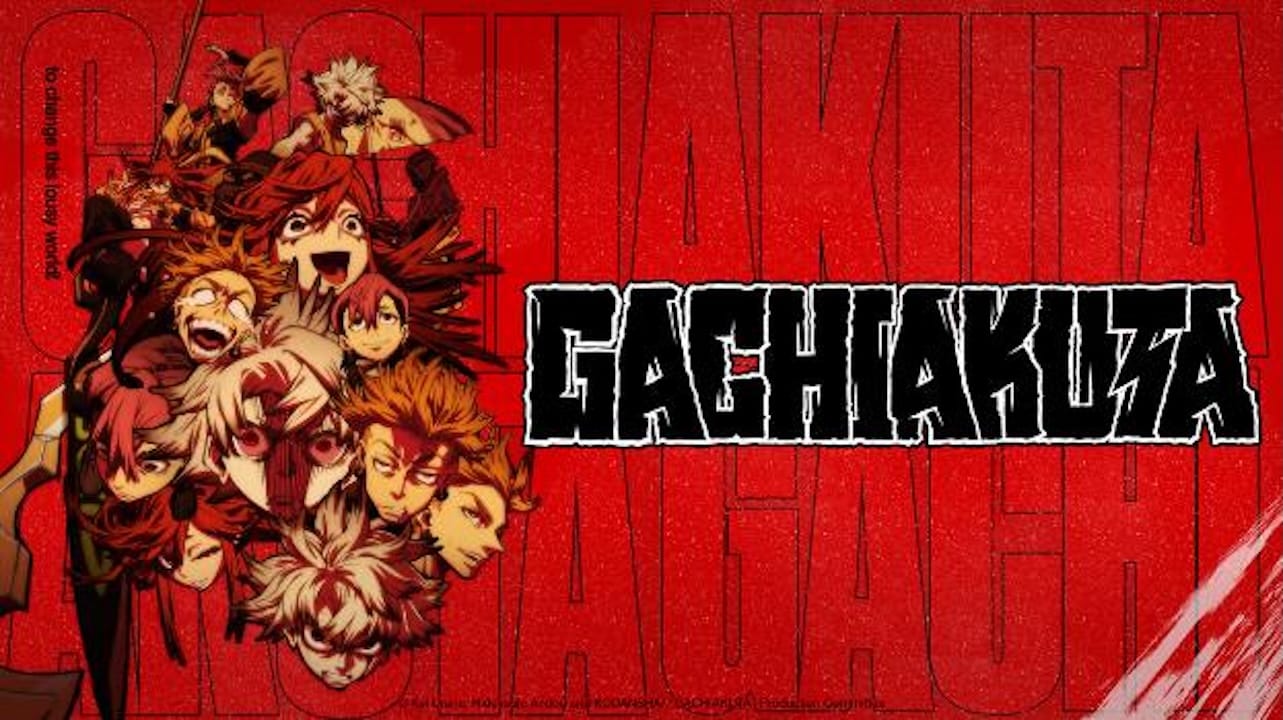
Gachiakuta
Where Solo Leveling gamifies power, Gachiakuta weaponizes resentment. Set in a floating city that literally discards people deemed disposable, its worldbuilding is blunt, angry, and unapologetically political.
This is not escapist fantasy. Monsters are not just threats; they are symptoms. The real antagonists are social stratification and moral neglect. The series leans into grime, violence, and confrontation, making it a harder sell for casual holiday viewing—but a compelling one for audiences craving sharper edges.
It’s anime as social commentary, even when messy, and that tension is its strength.
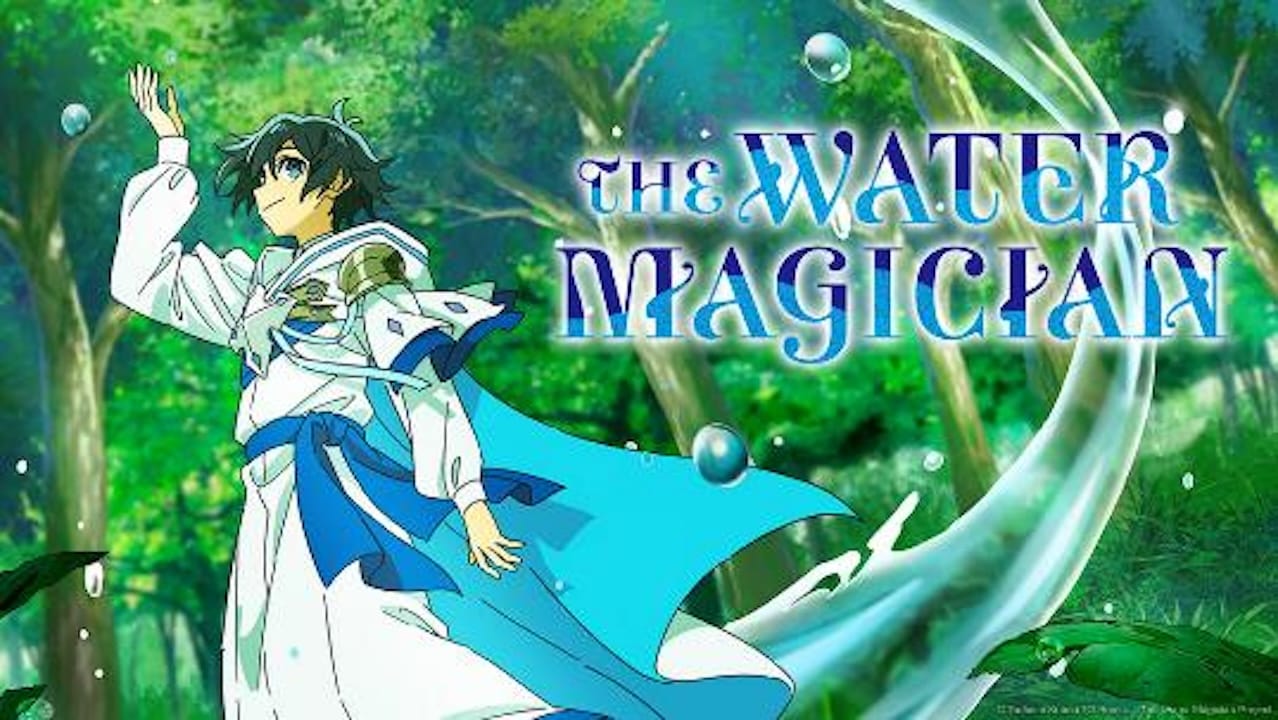
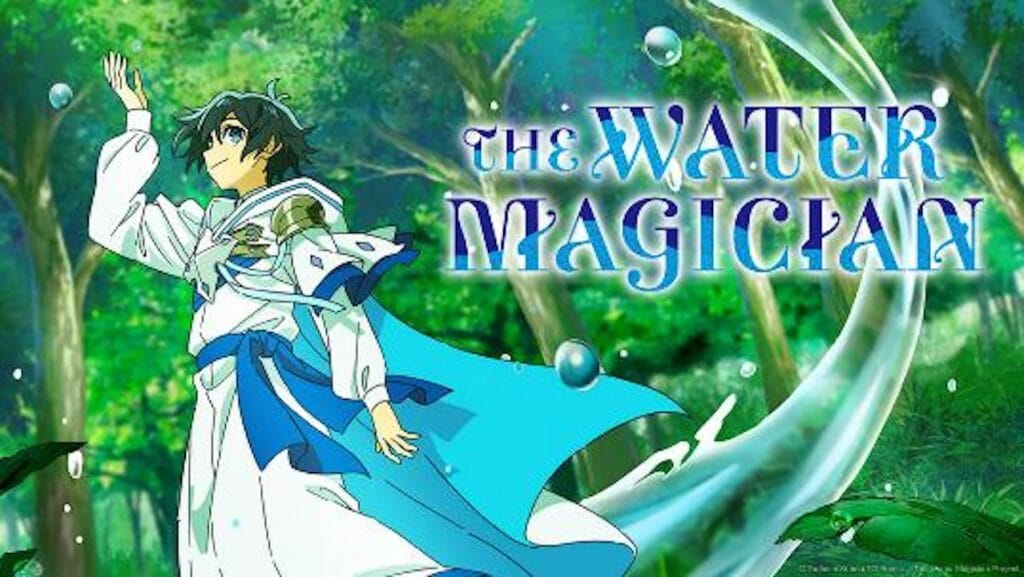
The Water Magician
Reincarnation stories often rush toward dominance. The Water Magician does the opposite. Its protagonist survives—not triumphs—over decades, quietly accumulating power through persistence rather than conquest.
That long arc matters. The show’s pacing rewards patience and reflection, framing power as something earned over time rather than seized in moments of crisis. It’s less about winning and more about staying alive long enough to matter.
For viewers burned out by constant escalation, this slower rhythm offers a welcome alternative.
Image caption: Survival, time, and restraint define The Water Magician’s approach to fantasy.
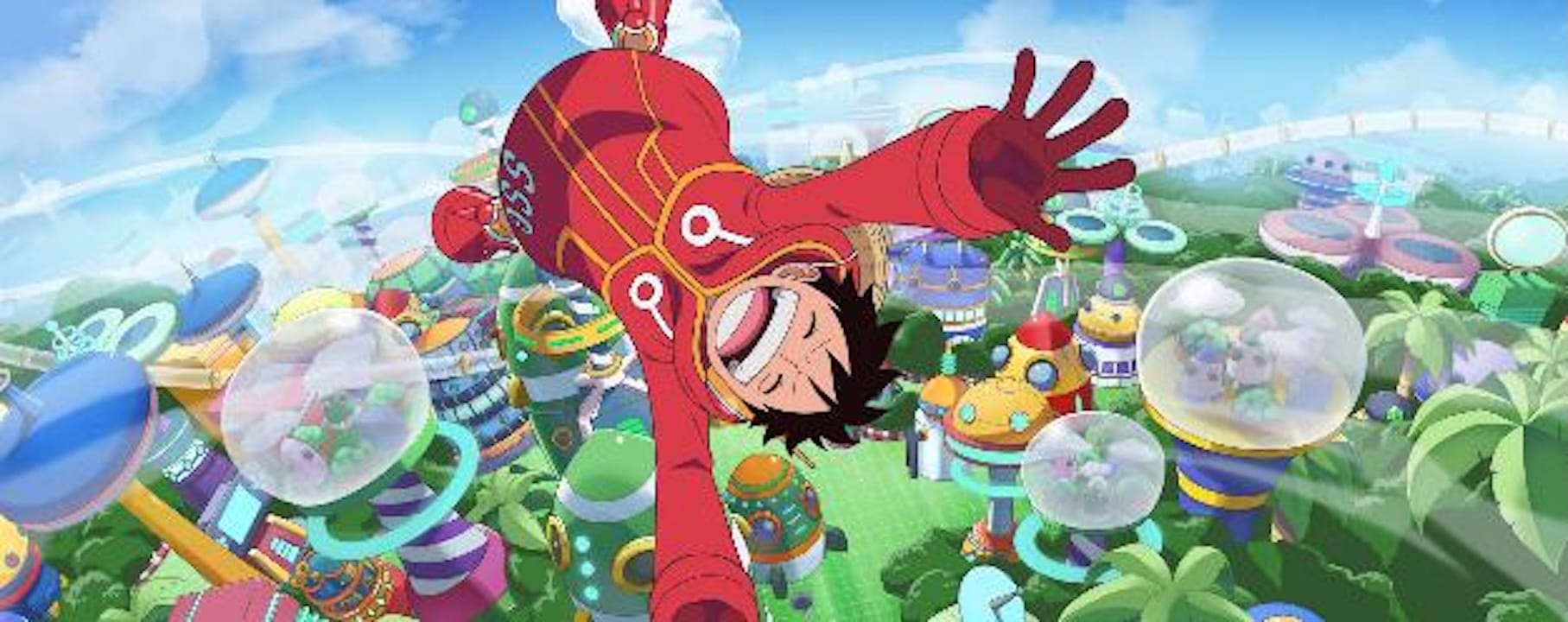
One Piece
It’s tempting to treat One Piece as background noise—too long, too familiar. That would be a mistake.
What keeps One Piece relevant is not nostalgia, but structural ambition. Its worldbuilding remains unusually coherent for a series of its length, and its emotional arcs still land because they’re grounded in relationships, not just lore.
In an age of disposable content, One Piece remains stubbornly cumulative. It rewards memory. That alone makes it culturally rare.
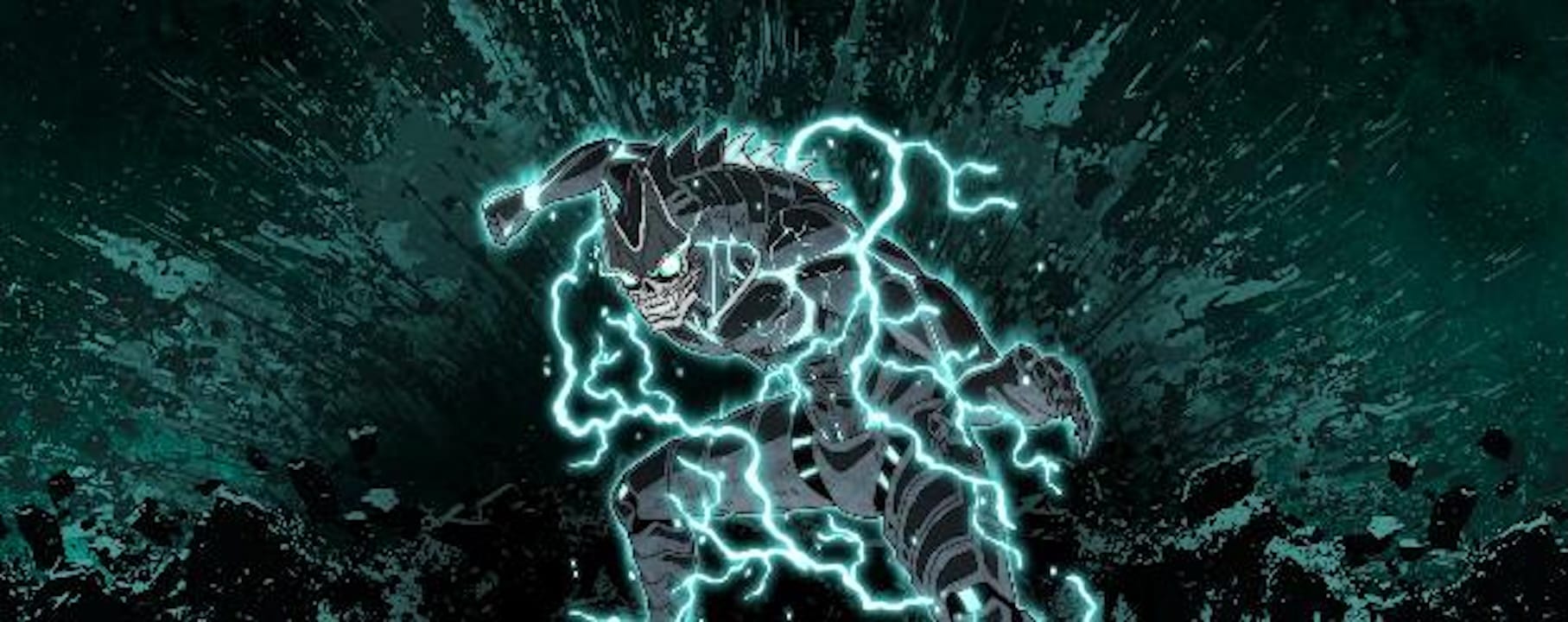
Kaiju No. 8
Kaiju No. 8 stands out by letting its protagonist be tired. Kafka Hibino isn’t chasing dreams fresh out of adolescence—he’s trying to reclaim one after disappointment.
That framing matters. The kaiju genre here becomes a metaphor for deferred ambition and second chances. Kafka’s transformation is both empowerment and liability, forcing him to navigate trust, secrecy, and responsibility.
It’s a monster story with adult anxieties baked in, and that gives it surprising emotional weight.
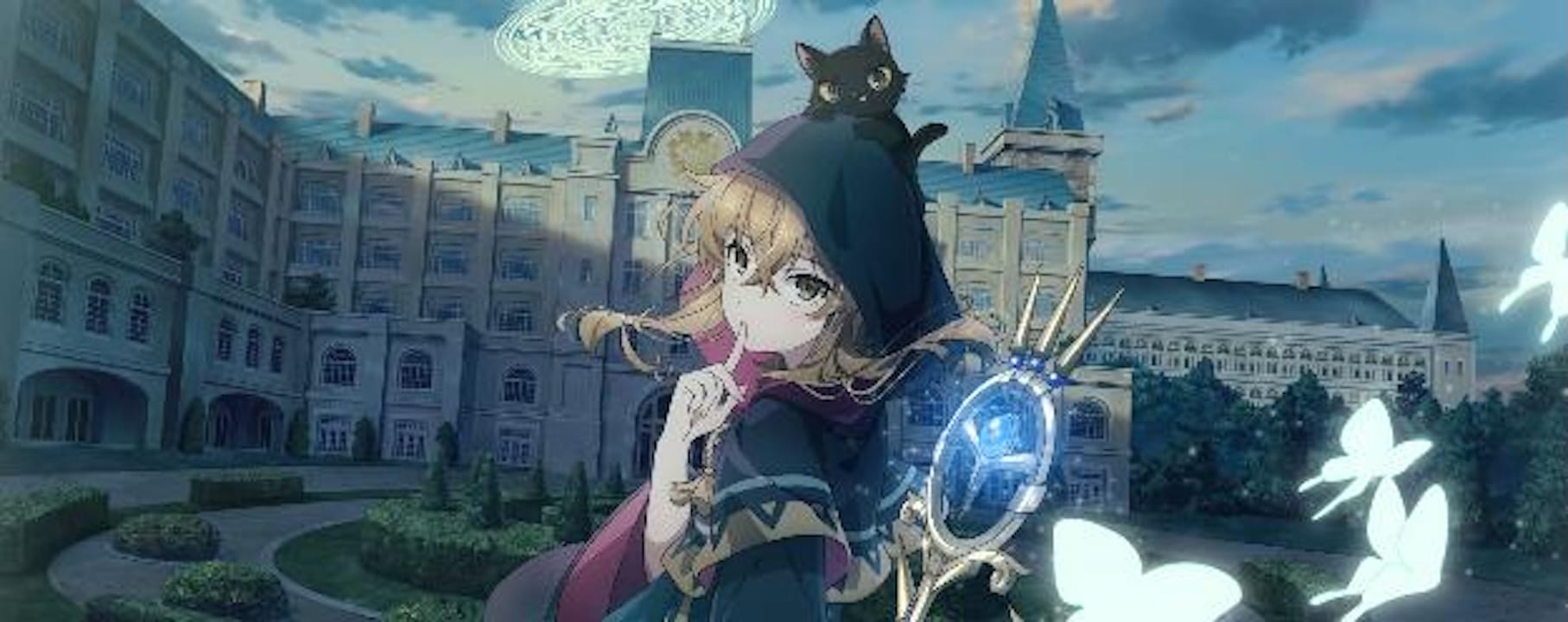
Secrets of the Silent Witch
Not every series needs to shout. Secrets of the Silent Witch thrives on understatement—social anxiety, quiet competence, and low-key humor.
Its magic system is clever, but its real appeal lies in tone. This is comfort anime done well, offering narrative warmth without laziness. For group viewing or decompression, it works precisely because it doesn’t try to overwhelm.
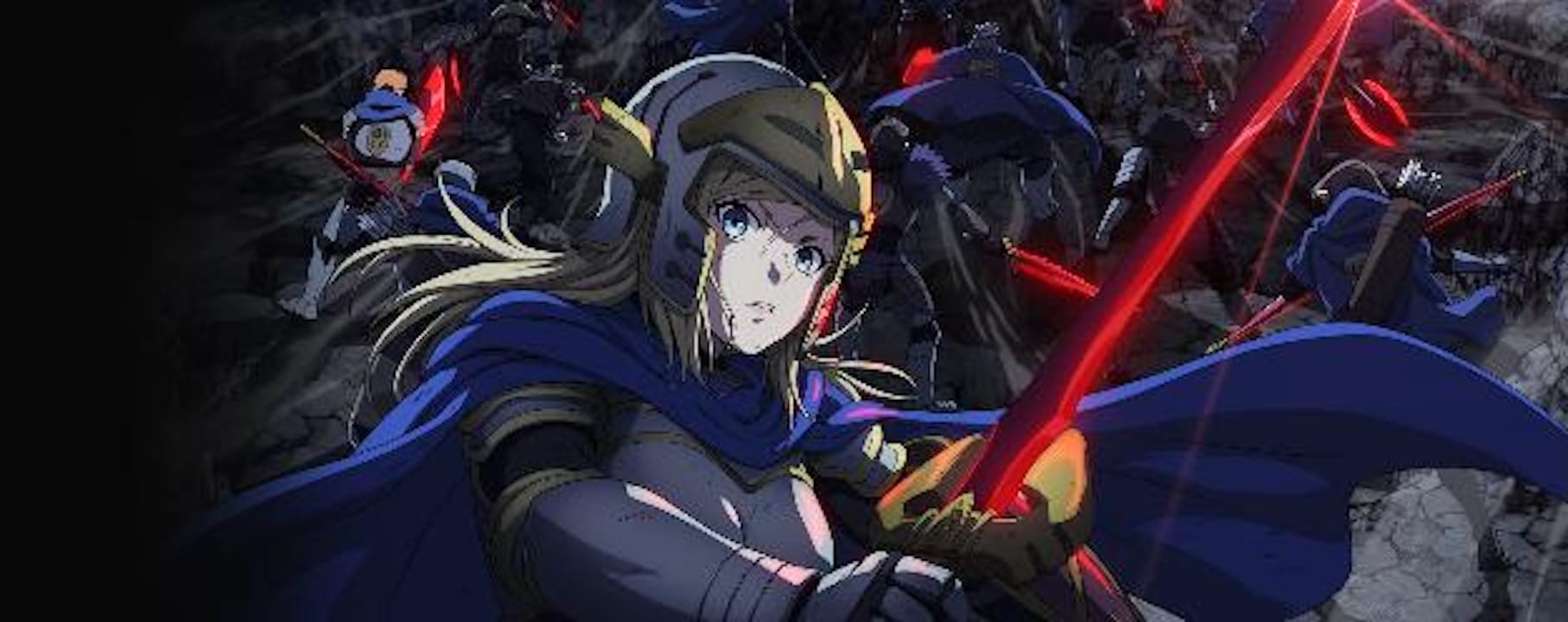
Clevatess
Clevatess plays with familiar fantasy components—dark lords, chosen children, resurrected heroes—but asks harder questions about responsibility and consequence.
Its narrative is less about destiny than obligation: what happens when power survives longer than the world it was meant to rule? The result is somber, occasionally bleak, and thematically ambitious.
This is fantasy for viewers who prefer moral tension over clean victories.
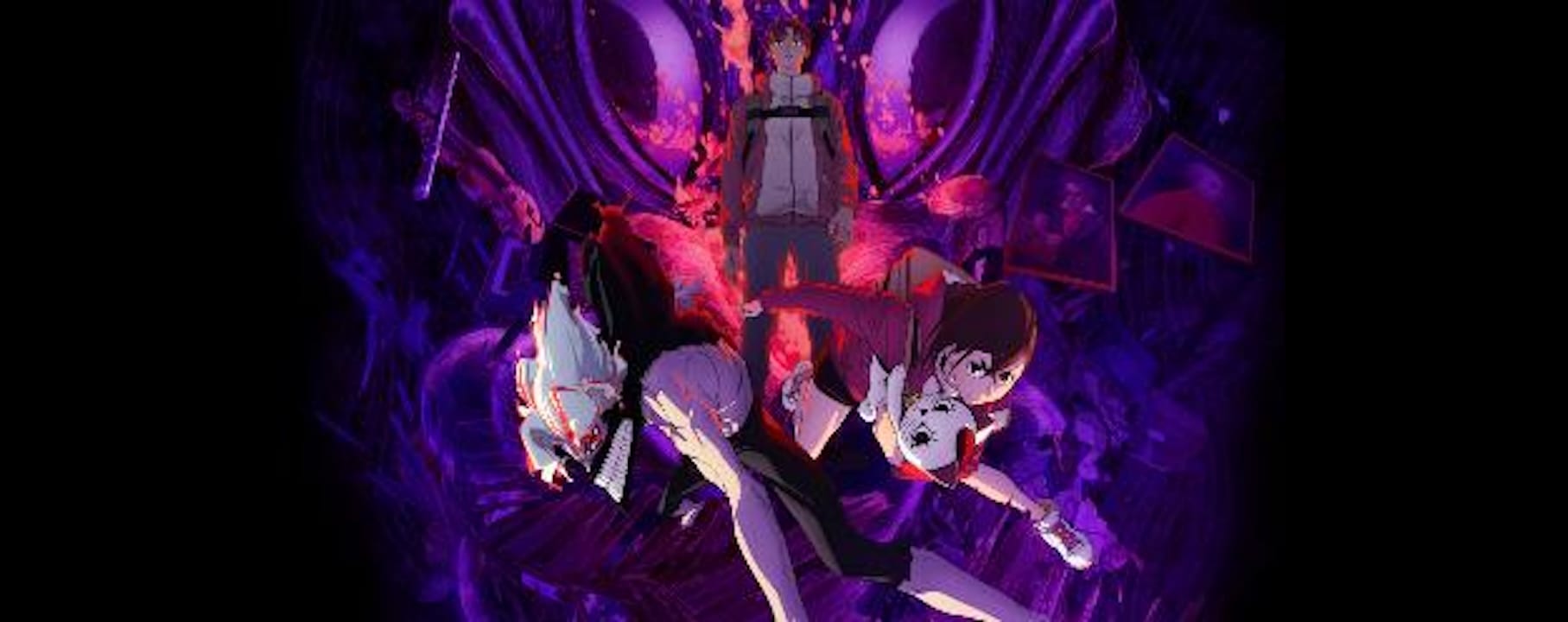
Dan Da Dan
Dan Da Dan thrives on collision—belief systems, genres, tones. Aliens meet yokai, skepticism meets faith, comedy crashes into horror.
What could be incoherent instead becomes kinetic. The show understands pacing, using chaos as structure rather than noise. It’s one of the more inventive series of the year, especially for viewers tired of formula.
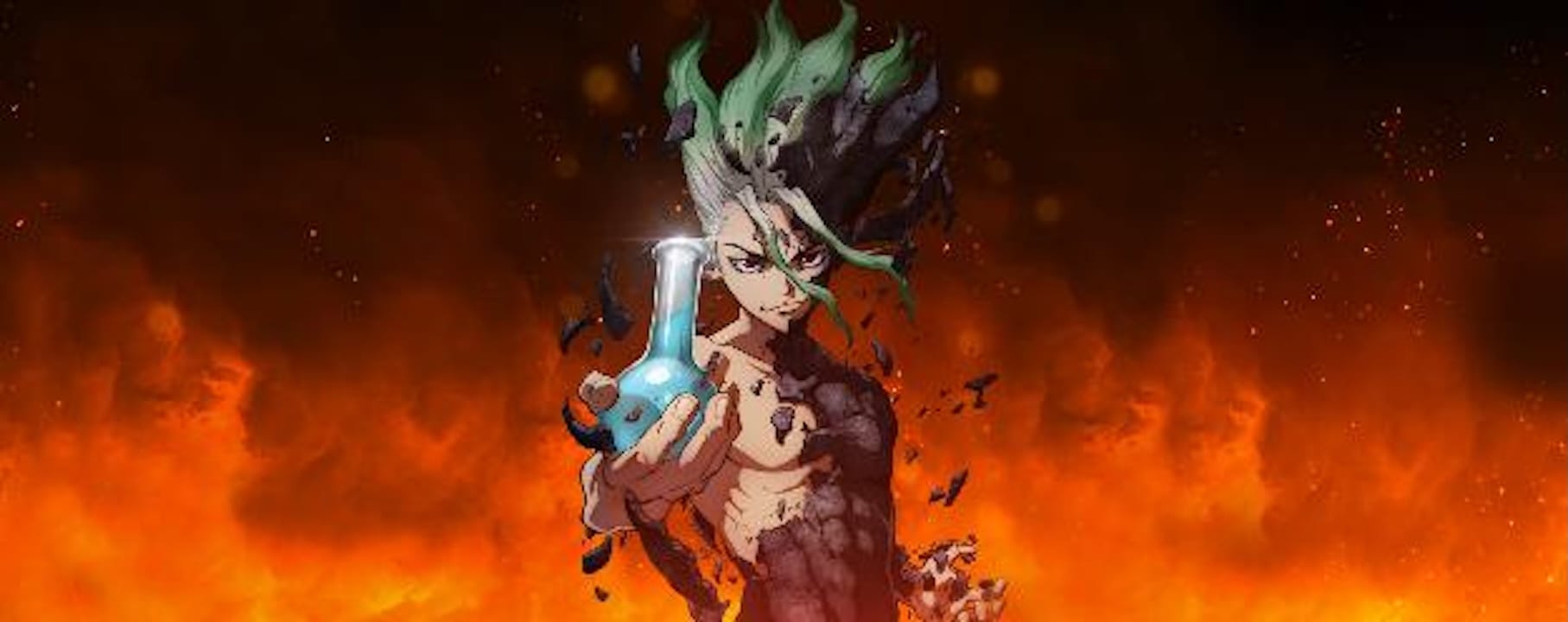
Dr. STONE
In a year marked by systemic fragility, Dr. STONE feels almost radical in its optimism. Science is not aesthetic here—it’s method, collaboration, and incremental progress.
Senku’s worldview rejects mysticism and despair alike, offering a rare narrative where knowledge itself is heroic. It’s anime that treats curiosity as survival skill.
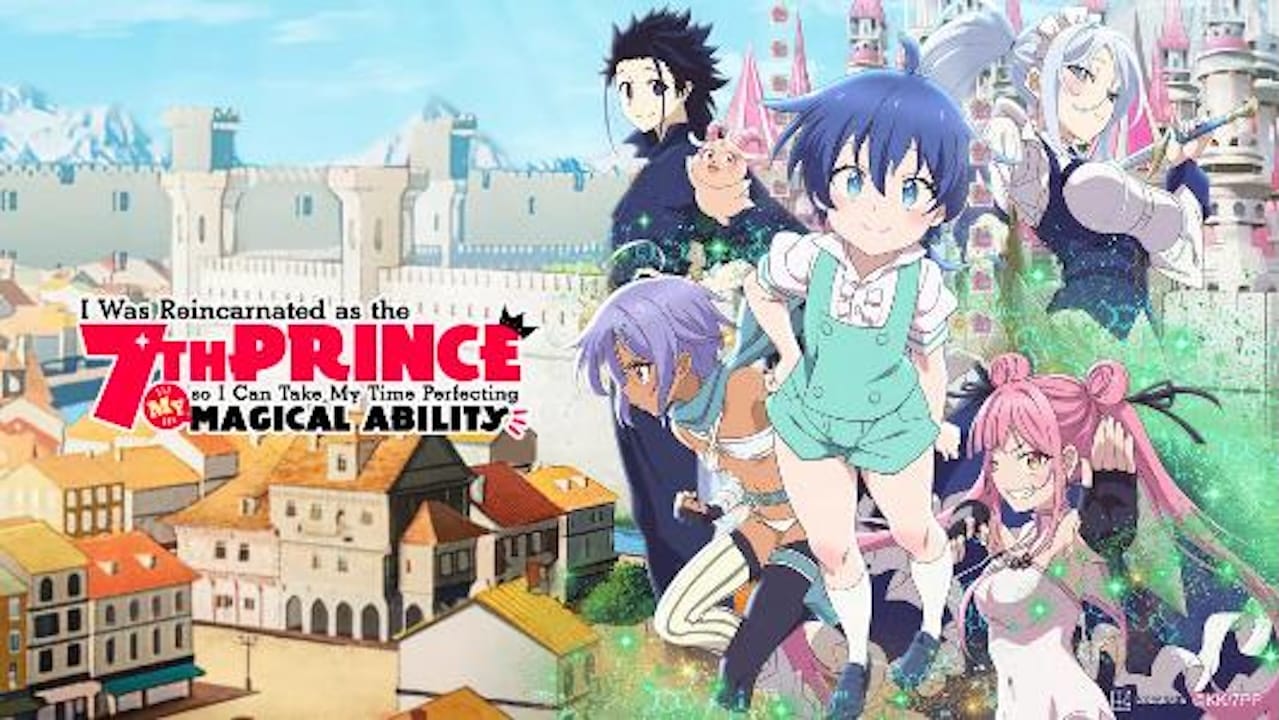
I Was Reincarnated as the 7th Prince so I Can Take My Time Perfecting My Magical Ability
This isekai doesn’t pretend otherwise: its fantasy is time, safety, and access. Lloyd’s reincarnation into nobility reframes mastery as something cultivated without pressure.
It’s a lighter, almost indulgent series—less about struggle, more about process. For some, that’s escapism. For others, it’s a reminder of how privilege shapes potential.
This year’s anime slate is less about novelty and more about reflection. Power fantasies coexist with survival narratives, optimism with anger, spectacle with restraint. Together, they form a portrait of an audience navigating uncertainty—looking for control, meaning, or simply rest.
That’s what makes these shows worth watching this season. Not because they’re “perfect for the holidays,” but because they reflect the year we just lived through.
————————————————————————-
WATCH TECHSABADO ON OUR YOUTUBE CHANNEL:
WATCH OUR OTHER YOUTUBE CHANNELS:
PLEASE LIKE our FACEBOOK PAGE and SUBSCRIBE to OUR YOUTUBE CHANNEL.
PLEASE LIKE our FACEBOOK PAGE and SUBSCRIBE to OUR YOUTUBE CHANNEL.