BURNING CHROME | Mac vs. PC: The war that shaped computing — and why it no longer matters
The problem is that we keep asking whether the war is “still a thing,” when the more accurate question is whether the battlefield still exists.
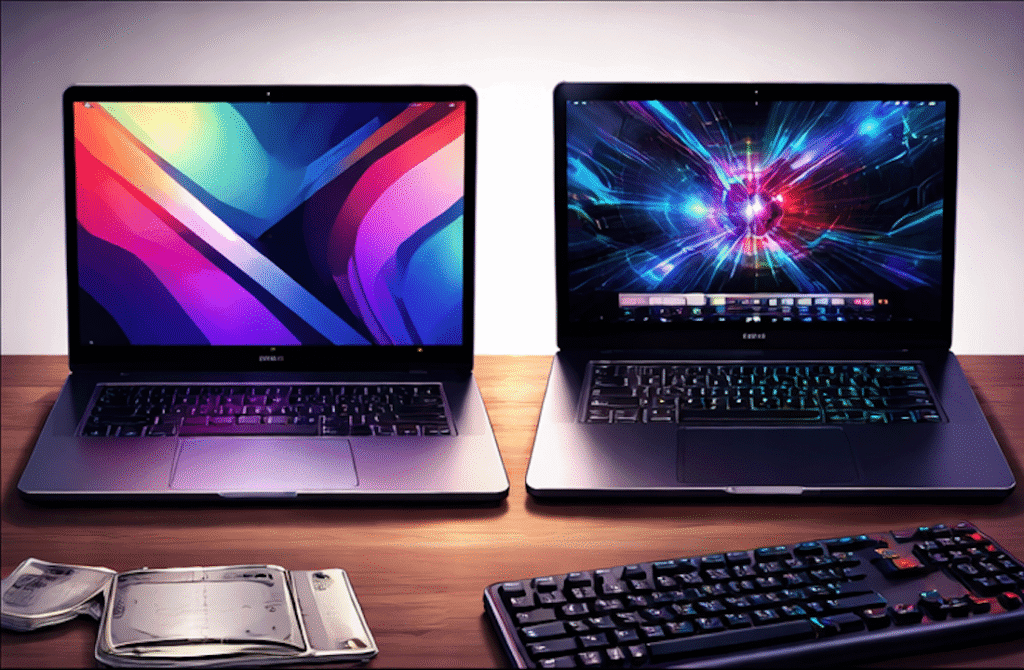
For decades, “Mac vs. PC” functioned as a cultural shortcut. You didn’t have to explain who you were; your computer did it for you. Creative or corporate. Idealist or pragmatist. Design-first or compatibility-first. The rivalry hardened into dogma because it mapped neatly onto how power, work and technology were organized in the late 20th century.
The problem is that we keep asking whether the war is “still a thing,” when the more accurate question is whether the battlefield still exists.
The Mac vs. PC divide did not start as a consumer choice. It began as a structural disagreement about control.
In the early personal computing era, Apple pursued a closed, vertically integrated system. Hardware and software were designed together, optimized together and sold together. The user was shielded from complexity. The machine was supposed to feel complete.
Microsoft, by contrast, treated the operating system as a layer that could sit on almost anything. Windows was not about elegance; it was about reach. By licensing software to countless manufacturers, Microsoft turned the PC into infrastructure — cheap, replaceable and scalable.
The conflict was inevitable. One model required exclusivity. The other required ubiquity. Both wanted to define what “personal computing” meant.
By the 1990s, Windows had become institutional. Offices, banks, governments and factories standardized on it. Compatibility mattered more than comfort. If the system was ugly but ran the spreadsheet, that was enough.
Apple, pushed to the margins, survived by clustering in spaces where Windows struggled: publishing, education, design, music and video. Over time, that survival strategy hardened into identity. Macs became tools for people who made things. PCs became tools for people who processed things.
That distinction was never fully true, but it was powerful. Technology became a proxy for class, profession and taste. Choosing a machine felt like choosing sides.
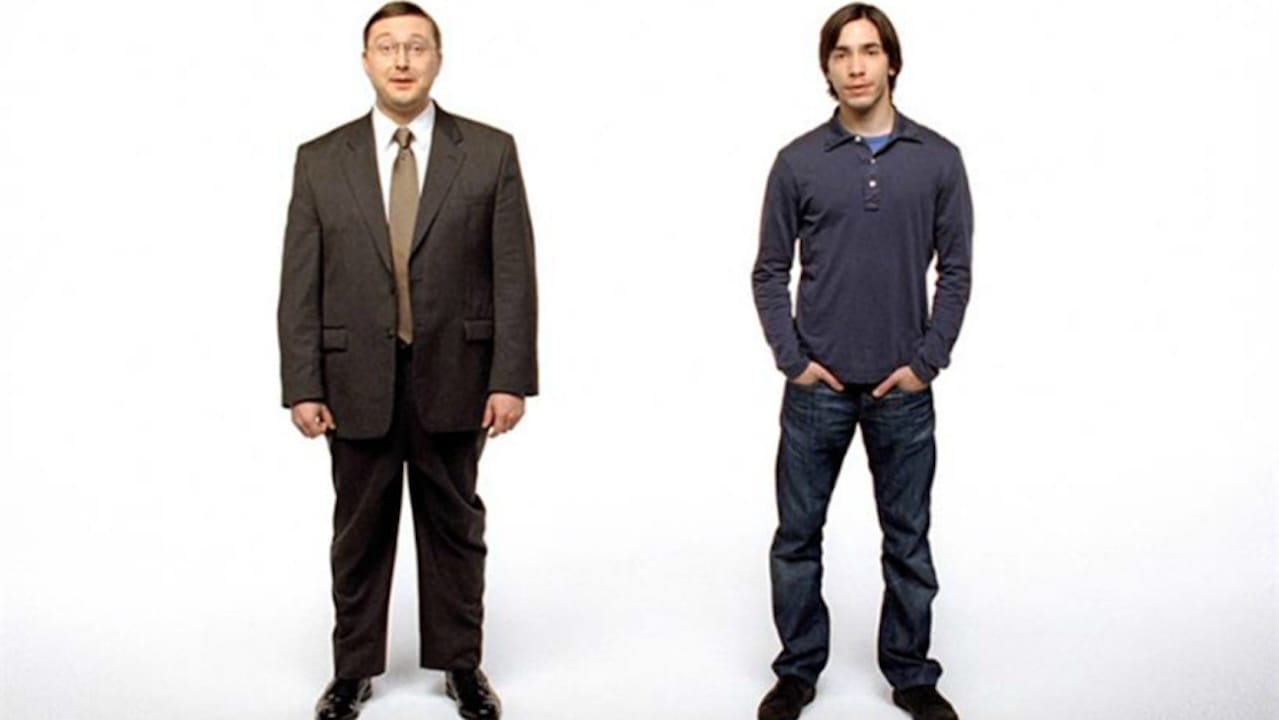
Apple’s “I’m a Mac / I’m a PC” ads did not start the rivalry. They simplified it, serialized it and sold it back to the public as comedy. Mac was human, relaxed and creative. PC was stressed, corporate and sickly.
The ads worked because they targeted friction, not performance. Viruses, crashes and IT headaches were real experiences for Windows users at the time. Apple positioned itself as relief from mental overhead, not as a faster calculator.
Microsoft could not respond in kind. You can’t make a monopoly look charming by joking about it.
The operating systems diverged for reasons that had little to do with user happiness and everything to do with obligation.
Windows prioritized backward compatibility because institutions demanded it. Old software had to keep running. That meant technical debt, complexity and fragility, but also continuity. Businesses could plan decades ahead.
macOS prioritized coherence. Apple broke compatibility aggressively when it conflicted with long-term goals. APIs were deprecated. Hardware transitions were enforced. Users adapted or left. The reward was predictability. The cost was control.
Neither approach was inherently better. Each reflected who was paying the bills.
PC hardware evolved through competition. Faster CPUs, bigger GPUs, endless configurations. You could build, upgrade and repurpose machines indefinitely. This empowered enthusiasts and enterprises but also produced uneven quality and constant churn.
Apple went the opposite way. Fewer machines. Fewer choices. Tighter tolerances. Hardware as an appliance, not a platform. The user was not supposed to tinker; the user was supposed to work.
That philosophical split became unmistakable with Apple’s move to its own silicon. Apple stopped chasing industry benchmarks and optimized vertically: chip, OS, power management and software stack. The result was efficiency, not spectacle — quiet laptops, long battery life, boring reliability.
This was not Apple “winning” the PC race. It was Apple leaving it.
Windows still dominates where legacy matters most: finance, government, logistics and manufacturing. These environments value continuity over elegance. Windows is not loved there; it is depended on.
Macs dominate where cognitive load matters: development, media, education and creative industries. Not because macOS is freer, but because friction costs time, and time costs money.
Most professionals now inhabit mixed environments. A MacBook at home. A Windows desktop at work. Linux in the cloud. Identity no longer lives in the operating system.
If the metric is market share, Windows never lost. If the metric is profit per device, Apple never stopped winning. If the metric is cultural influence, Apple reshaped expectations for personal computing.
But those are the wrong metrics.
The Mac vs. PC war ended not because one side triumphed, but because the operating system stopped being the center of gravity. Browsers replaced applications. Cloud accounts replaced local files. Subscriptions replaced ownership.
The real conflict today is not Mac versus PC. It is users versus platforms. Ownership versus access. Control versus convenience.
We keep arguing about laptops because it is safer than confronting the reality that, regardless of OS, most of us no longer control the systems we depend on.
That is the war that matters now.
And unlike the old one, there is no funny ad campaign to distract us from it.
————————————————————————-
WE ARE 10 YEARS OLD! TEN YEARS OF TECHSABADO, IMAGINE THAT.
WATCH TECHSABADO ON OUR YOUTUBE CHANNEL:
WATCH OUR OTHER YOUTUBE CHANNELS:
PLEASE LIKE our FACEBOOK PAGE and SUBSCRIBE to OUR YOUTUBE CHANNEL.
PLEASE LIKE our FACEBOOK PAGE and SUBSCRIBE to OUR YOUTUBE CHANNEL.