MSME BUSINESS NEWS | Women farmers tap GAD funds for coffee, oyster livelihoods
The people’s organization, which has 14 women and eight men, grows high-value crops such as coffee, cacao, cinnamon and fruit trees while promoting environmental protection.
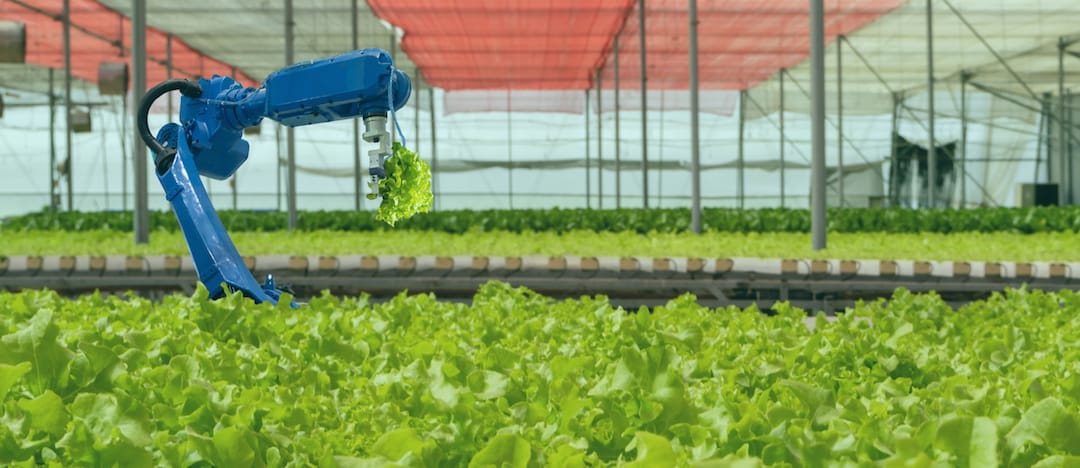
iot smart industry robot 4.0 agriculture concept,industrial agronomist,farmer using software Artificial intelligence technology in tablet to monitoring condition and control automatic robotics in farm (iot smart industry robot 4.0 agriculture concept,
Women-led farming groups in Negros Occidental are demonstrating how the Philippines’ Gender and Development (GAD) budget can support sustainable livelihoods while promoting environmental conservation, according to officials from local government and international development organizations.
In Sitio Tambara, Negros Occidental, members of the Tambara Forest Settlers Association cultivate coffee and other crops as part of upland farming initiatives linked to conservation efforts. The people’s organization, which has 14 women and eight men, grows high-value crops such as coffee, cacao, cinnamon and fruit trees while promoting environmental protection.
“We planted around a hundred Robusta coffee bushes up here,” said Johnny Percival, a member of the association. “We pick only ripe and red coffee cherries, then dunk them in water to weed out floaters. Good cherries always sink. We dry and remove the pulp, then roast and grind the beans in our village.”
The group produces roasted Robusta coffee, which sells for about P750 per kilogram, according to association chair Ronalyn Dela Vega. Dela Vega said the group sells most of its products through private orders or at trade fairs.
The association’s activities are part of broader efforts by the Department of Environment and Natural Resources (DENR), local government units (LGUs) in Negros Occidental, and the United Nations Development Programme’s Biodiversity Finance Initiative (UNDP-BIOFIN) to integrate Gender and Development programs into environmental projects.
Under the 1995 General Appropriations Act and the Magna Carta of Women (Republic Act 9710), all government agencies in the Philippines must allocate at least 5% of their annual budgets to GAD programs. Based on the 2026 national budget, Negros Occidental’s GAD allocation is estimated at about P340 million.
“Stewarding our natural resources requires substantial investments. GAD is a largely untapped resource for LGUs to promote both gender equity and biodiversity conservation,” said UNDP-BIOFIN Philippines Project Manager Anabelle Plantilla.
Plantilla said LGUs can use GAD funding to support projects that strengthen women’s roles in sustainable agriculture, fisheries and ecosystem management.
BIOFIN, a global UNDP initiative active in 41 countries, aims to close financing gaps for biodiversity conservation by identifying and mobilizing funding sources. In the Philippines, the program works with DENR to support the implementation of the Philippine Biodiversity Strategy and Action Plan.
In February 2026, BIOFIN trained more than 300 officials from 32 LGUs to help integrate gender and biodiversity priorities into local development planning.
Provincial officials said upland farming initiatives such as coffee plantations also help protect ecosystems.
“The women of the Tambara Forest Settlers Association nurture hundreds of coffee bushes and other trees that provide not just a steady income stream for their families,” said Luisa Tutor of the Negros Occidental Provincial Environment Management Office. “Trees also help stabilize soil in upland areas, preventing landslides and floods.”
Along the coast in San Enrique, another women-led group is involved in oyster farming. The Luguay Talaba Growers Association, composed of 16 women and 14 men, cultivates oysters using bamboo rafts and suspended shell lines.
“Oyster farming can definitely be lucrative,” said association chair Juvy Guiñabo Jamaybay. “If you’re lucky, you can earn hundreds of thousands of pesos per season.”
The Philippines produces more than 50,000 metric tons of oysters annually, valued at more than P1 billion. Oysters are also considered beneficial to marine ecosystems because they filter water and absorb nutrients and carbon dioxide.
San Enrique forms part of the Negros Occidental Coastal Wetlands Conservation Area, a designated Ramsar site known for its shorebird populations and coastal habitats.
According to the Philippines Biodiversity Conservation Foundation Inc., local communities have begun combining sustainable livelihoods with ecotourism, including birdwatching and guided visits to farms and wetlands.
“Many sustainable livelihoods like coffee growing and oyster farming can directly be linked to conservation,” said Jacqueline Bacal, gender lead for UNDP-BIOFIN. “This Women’s Month, let’s enhance the role of women in conservation by learning to tap the GAD budget to support lady-led projects.”
Officials said strengthening women’s participation in environmental programs could help improve both rural livelihoods and conservation outcomes.
————————————————————————-
WE ARE 10 YEARS OLD! TEN YEARS OF TECHSABADO, IMAGINE THAT.
WATCH TECHSABADO ON OUR YOUTUBE CHANNEL:
WATCH OUR OTHER YOUTUBE CHANNELS:
PLEASE LIKE our FACEBOOK PAGE and SUBSCRIBE to OUR YOUTUBE CHANNEL.
PLEASE LIKE our FACEBOOK PAGE and SUBSCRIBE to OUR YOUTUBE CHANNEL.