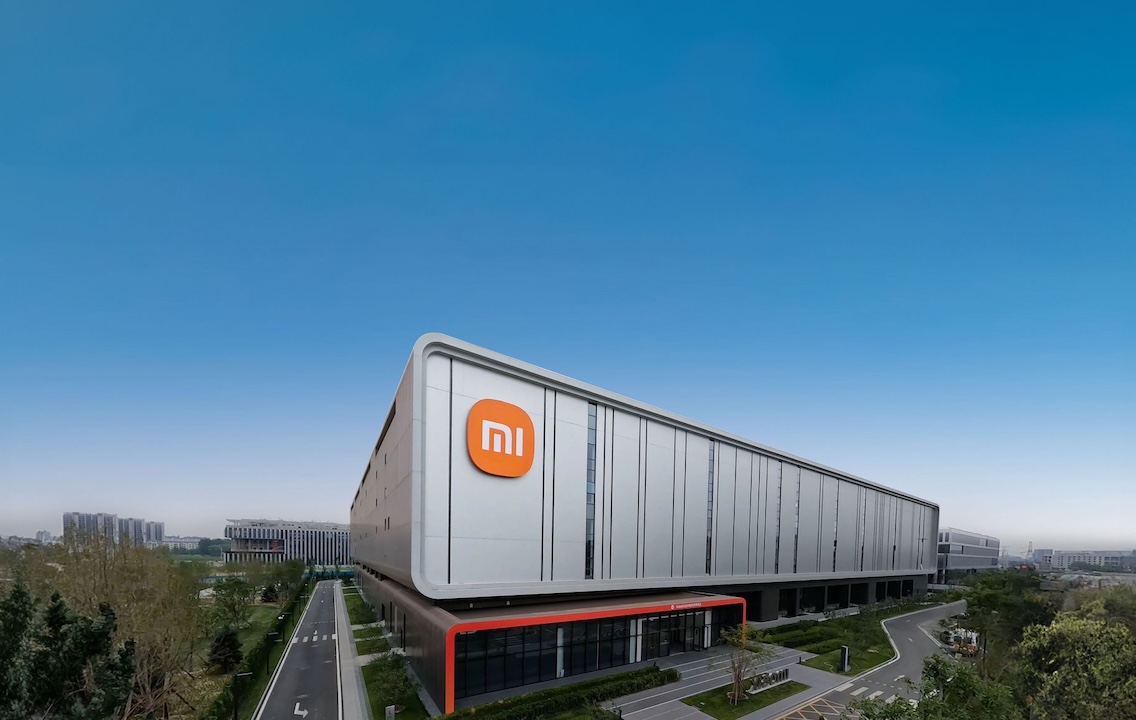
The expansion of connected devices, smart home appliances and electric vehicles is reshaping Xiaomi’s business as the Chinese technology company moves beyond its traditional smartphone market and builds an integrated consumer ecosystem.
The company’s “Human × Car × Home” strategy links personal devices, mobility and household technology through its artificial intelligence and Internet of Things platform. By the end of the second quarter of 2026, Xiaomi had more than 1.1 billion connected AIoT devices worldwide, excluding smartphones, tablets and laptops, according to company figures.
Its ecosystem served more than 175 million users and households, including 24.6 million users with at least five connected devices. The Xiaomi Home app recorded 124.1 million monthly active users.
The platform allows compatible devices to coordinate functions, such as adjusting air purifiers, lighting and climate controls according to users’ schedules or locations, with their authorization.
Xiaomi’s expansion into electric mobility is another part of the strategy. Customer deliveries of its first electric vehicle, the SU7, began in April 2024. The company said cumulative deliveries exceeded 800,000 units as of Sept. 7, 2026.
Xiaomi Auto is also preparing for an entry into Europe in 2027, having signed memorandums of understanding with eight German automotive dealer groups to support its planned retail and service network.
In home appliances, Xiaomi’s Mijia brand offers more than 2,000 products across more than 130 categories, including air-care devices, robot vacuums and washing machines. The products connect to the Xiaomi Home app for centralized control. Mijia began a broader European rollout in September 2026.
Smartphones remain a major part of the company’s business as it pursues the premium market through imaging and design developments.
Counterpoint Research data cited by Xiaomi showed that smartphones priced above $600 accounted for 29% of global sales in the first half of 2026, compared with 20% four years earlier.
The company introduced its Xiaomi 17 Series and the Leica Leitzphone powered by Xiaomi in February. Its Xiaomi 18 Fold, launched in September, recorded first-sale volumes 300% higher than its predecessor, according to the company.
In the Philippines, Xiaomi has expanded its product range with the Xiaomi TV S Mini LED Series and Mijia washing machines. The company also announced the global launch of the Xiaomi 18 Pro Series, which is expected to arrive in the local market later this month. Pricing and availability details have yet to be announced.
The developments reflect Xiaomi’s effort to connect smartphones, household devices and vehicles through a common technology ecosystem, while expanding its presence in premium consumer electronics and electric mobility.
Full disclosure: All news articles published on the TechSabado website are written by human journalists, unless otherwise specified. Final text editing is also performed by human editors, with artificial intelligence (AI) used only to assist with additional grammar and style guide corrections..
————————————————————————-
TEN YEARS OF TECHSABADO!
PLEASE LIKE our FACEBOOK PAGE and SUBSCRIBE to OUR YOUTUBE & SPOTIFY channels.
WATCH TECHSABADO ON OUR YOUTUBE CHANNEL:
WE ARE ALSO ON SPOTIFY

WATCH OUR OTHER YOUTUBE CHANNELS:
PLEASE LIKE our FACEBOOK PAGE and SUBSCRIBE to OUR YOUTUBE CHANNEL.




Leave a Reply