A security flaw in a widely used website optimization platform exposed visitors to potentially malicious code across 178 organizations on Nov. 16, raising concerns over the risks posed by third-party software embedded in corporate websites.
The incident involved Optimizely Web Experimentation, whose JavaScript tools are integrated into websites to test page layouts, personalize content and improve user experiences. Attackers exploited a vulnerability in the platform to insert malicious JavaScript into customer projects, allowing the code to reach visitors through websites that used the service.
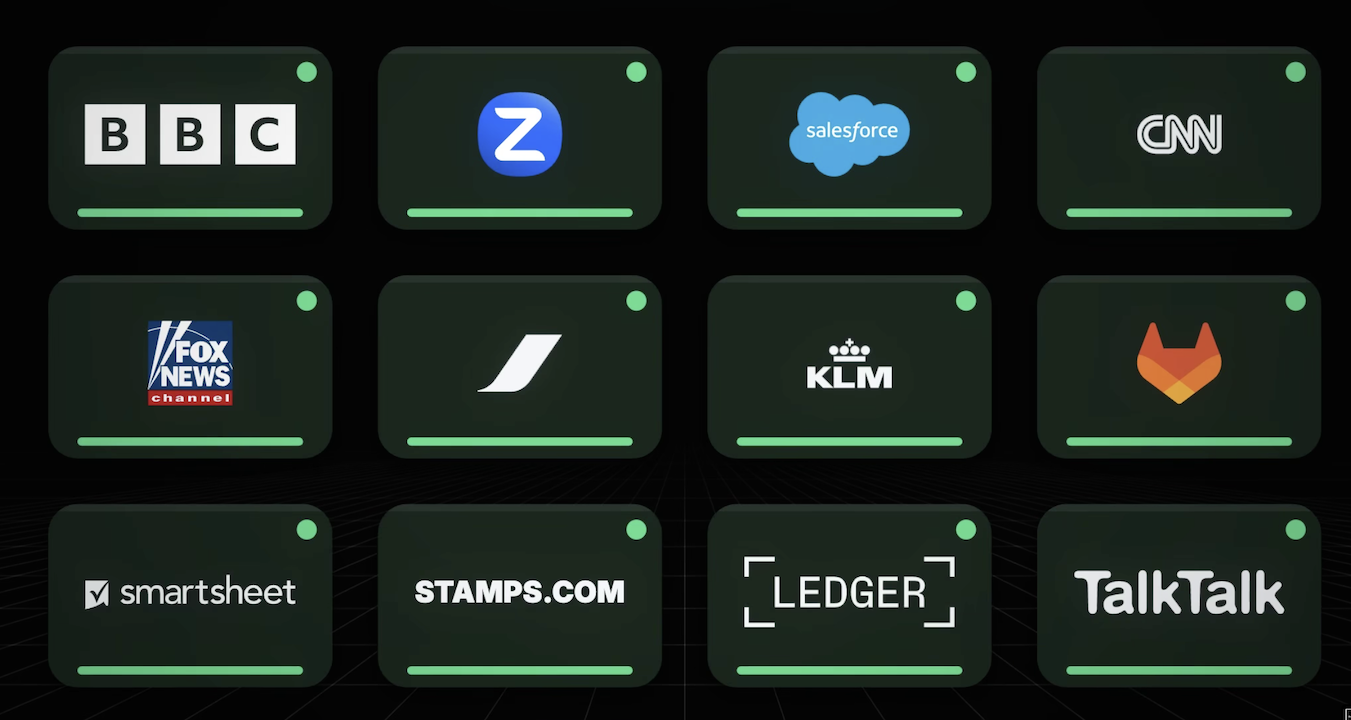
The attack affected websites associated with major organizations, including the BBC, Zoom, CNN, Fox News, HSBC, Equifax, GitLab, Salesforce and IKEA, according to security researcher Scott Helme of Report URI. The researcher identified 188 compromised scripts linked to 178 organizations.
The incident is the subject of the video report, Biggest Cyber Attack of 2026!, which describes how a single compromised software component enabled malicious code to be distributed through the websites of multiple organizations. Its central point is that the incident did not necessarily involve direct intrusions into the individual companies’ networks. Instead, attackers abused a shared service trusted by those websites.
Reuters independently reported the incident on Nov. 17, citing Helme and the affected companies. The news agency said the malicious scripts were designed to steal cryptocurrency, capture payment card information, collect browser cookies and screenshots, and deploy exploit code targeting Apple’s iOS devices.
One vulnerability, multiple targets
Optimizely confirmed that an unauthorized party exploited a vulnerability in its Experimentation platform and used it to add malicious JavaScript to some customer projects.
In a security incident report dated Nov. 17, the company said the attackers exploited a weakness in its Web Experimentation account signup flow. The flaw allowed them to impersonate users and insert code into customer projects without compromising an Optimizely administrator account or stealing customer passwords.
The company said its investigation found that the first malicious code was written at 7:51 a.m. UTC on Nov. 16. It detected the activity at 1:34 p.m., addressed the vulnerability at 4:10 p.m. and removed the injected code from all affected projects by 10:24 p.m. that day.
Optimizely said the malicious code had been removed and its delivery blocked. It also engaged cybersecurity firm Mandiant to conduct an independent forensic investigation.
The company stressed that the incident was limited to its Web Experimentation product. Its Feature Experimentation service, software development kits and legacy Full Stack product were not affected, based on its investigation.
The exposure occurred when visitors loaded pages containing the compromised Web Experimentation snippet. The injected code ran in their browsers, rather than directly accessing the internal networks of the organizations whose websites carried it.
This distinction is important because the incident demonstrates how a vulnerability in one supplier can create security risks for numerous customers, even when those customers’ own infrastructure has not been breached.
Malware targeted payments and mobile devices
According to Helme’s findings cited by Reuters, the malicious scripts attempted to replace cryptocurrency payment addresses with wallet addresses controlled by the attackers. They also sought to capture payment card details entered into website forms, steal browser cookies and take screenshots.
The code further attempted to deliver exploit tools targeting Apple’s iOS devices.
Apple told Reuters that the underlying vulnerabilities targeted by the attackers had been fixed the previous year. Users running updated software would therefore have been protected against those exploits, the company said.
Optimizely’s own investigation described the injected code as intended to obtain payment information and cryptocurrency activity. The company said the scripts targeted card details entered directly into website forms but could not access card information submitted through hosted payment iframes, such as those operated by Stripe or Adyen.
Reuters said it could not independently determine whether the malicious code had successfully stolen information or how many visitors might have been affected.
Several affected organizations took precautionary measures. Salesforce said it was investigating unauthorized changes to Optimizely scripts and had disabled them. Zoom also disabled the platform across its production environments while reviewing the incident.
Equifax said it stopped using Optimizely and had found no evidence that its systems were compromised. Zoom said it had not identified any impact on customer data at the time of its statement. HSBC told Reuters that unauthorized scripts were not active on its websites, while IKEA said it was investigating possible effects on its digital services and customers.
The findings do not establish that all 178 organizations suffered data theft or that every visitor to their websites was affected. The number of organizations whose websites carried the malicious scripts should not be treated as the number of confirmed victims.
A wider pattern of third-party exposure
The Optimizely incident comes amid other cybersecurity events involving external service providers and software dependencies.
Reuters reported on Nov. 13 that Uber had disclosed unauthorized access to its data through compromised credentials at an unnamed service provider. The incident exposed personal information, including driver’s license details, according to reporting cited by Reuters from TechCrunch. Uber said the breach affected about 1,873 Rhode Island residents and that it had not identified any misuse of the information.
In another incident reported by Reuters on Nov. 17, Norwegian energy company Equinor detected an ongoing cyberattack affecting some of its information technology systems. The company said its oil and gas operations and production were unaffected and that it had no indication that data had been stolen. Norway’s National Security Authority said it was assisting as needed and noted that successful cyber operations against Norwegian companies had tripled over the previous six months.
These incidents involved different attack methods and should not be treated as part of a single coordinated campaign. They nevertheless illustrate the exposure organizations face when external providers, software platforms and connected systems become part of their operational infrastructure.
Reuters also reported in November that attacks on European supermarket refrigeration systems had disrupted stores in several countries, raising concerns about the security of remotely managed equipment and connected operational technology. Investigators had not established whether the separate incidents were linked.
reuters.com
The broader issue is the growing dependence of businesses on services that operate outside their direct control. Website scripts, cloud platforms, analytics tools and external data processors can have access to sensitive information or run code within environments that organizations otherwise consider secure.
Optimizely advises customers to review exposure
Optimizely advised Web Experimentation customers to treat the incident as a security event and review their websites for possible exposure during the affected period on Nov. 16.
Its recommendations include checking which pages loaded the compromised scripts, reviewing browser requests and Content Security Policy reports, and examining payment card and cryptocurrency transactions made during the exposure window. The company also advised customers to retain relevant server, content delivery network, web application firewall and payment monitoring logs.
Optimizely said websites using a strong Content Security Policy, or CSP, were protected against the injected code. CSP is a browser security mechanism that allows website operators to restrict which sources can load and execute scripts.
The company said it had confirmed directly with customers whether they were affected and that its forensic investigation remained ongoing.
The incident reinforces for businesses the need to assess third-party scripts as part of their own security perimeter. External services should be reviewed not only for their functionality but also for the level of access they receive, the data they can process and the safeguards in place if their systems are compromised.
The attack also highlights the importance of monitoring changes to code delivered by external providers. A script that was previously trusted can become a delivery mechanism for malicious activity if the service or account controlling it is compromised.
The video report’s central warning is therefore supported by the incident details: a single weakness in a widely used service can expose users across many otherwise unrelated websites. But the scale of the exposure should be distinguished from confirmed losses. As Reuters reported, the extent of any successful theft had not yet been established.
Full disclosure: All news articles published on the TechSabado website are written by human journalists, unless otherwise specified. Final text editing is also performed by human editors, with artificial intelligence (AI) used only to assist with additional grammar and style guide corrections..
————————————————————————-
TEN YEARS OF TECHSABADO!
PLEASE LIKE our FACEBOOK PAGE and SUBSCRIBE to OUR YOUTUBE & SPOTIFY channels.
WATCH TECHSABADO ON OUR YOUTUBE CHANNEL:
WE ARE ALSO ON SPOTIFY

WATCH OUR OTHER YOUTUBE CHANNELS:
PLEASE LIKE our FACEBOOK PAGE and SUBSCRIBE to OUR YOUTUBE CHANNEL.





Leave a Reply