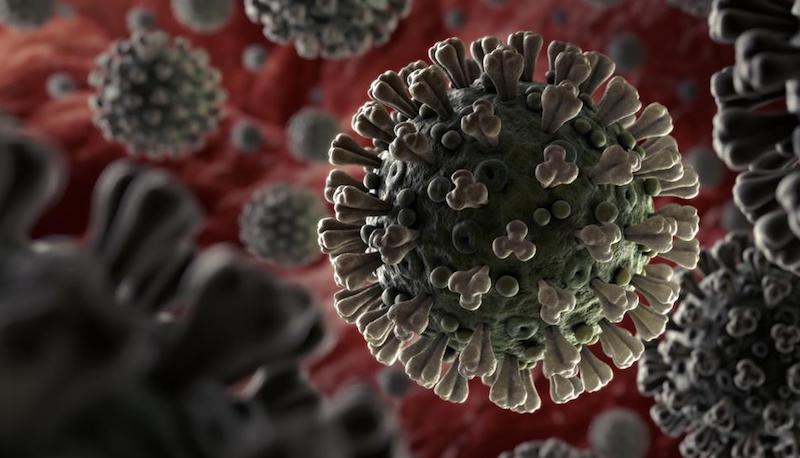
CHICAGO, ILLINOIS — To contain the spread of the COVID-19 pandemic, a study of the University of Illinois (UI) suggests luring the virus with a decoy – an engineered, free-floating receptor protein – that binds the virus and blocks infection.
To infect a human cell, a virus must first bind to a receptor protein on the surface of the cell. SARS-CoV-2, the coronavirus that causes COVID-19, binds to a receptor called ACE2, which plays a number of roles in regulating blood pressure, blood volume, and inflammation. It is found in tissues throughout the body, but especially in the lungs, heart, arteries, kidneys and intestines.
The researchers examined more than 2,000 ACE2 mutations and created cells with the mutant receptors on their surfaces. By analyzing how these interacted with the coronavirus, they found a combination of three mutations that made a receptor that bound to the virus 50 times more strongly, making it a much more attractive target for the virus.
The researchers then made a soluble version of the engineered receptor. Detached from cells, the soluble receptor is suspended in solution and free to interact with the virus as a decoy receptor. The researchers verified a strong affinity between the virus and the decoy receptor, rivaling the best antibodies identified to date.
Furthermore, they found that the decoy receptor not only binds to the virus in live tissue cultures, it effectively neutralizes it, preventing cells from becoming infected.
“We are testing whether the decoy receptor is safe and stable in mice, and if successful, we then hope to show treatment of disease in animals. Hopefully that data can facilitate a clinical trial,” said Erik Procko, a UI professor of biochemistry. He also is exploring how the decoy receptor bonds to other coronaviruses with potential to become future pandemics if they cross from bats to humans.
The study, posted on UI’s website on Tuesday, has been published in the journal Science.





Leave a Reply