COMMUNITY | Muntinlupa teachers explore AI tools for inclusive education
The initiative is part of PLDT and Smart’s #KonektedforInclusion program, which seeks to use technology to expand access to learning and livelihood opportunities for underrepresented groups.
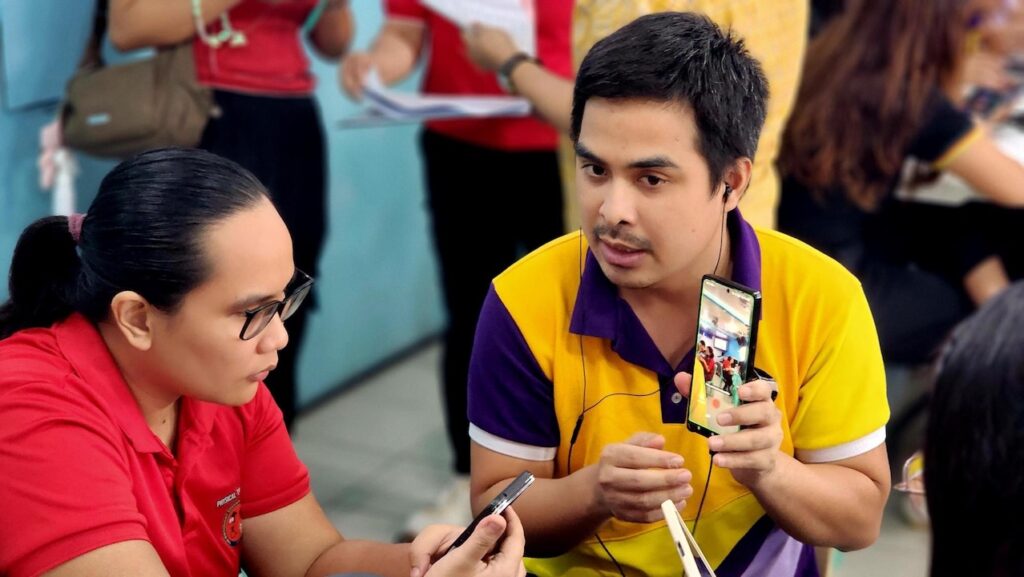
Teachers in Muntinlupa are exploring how artificial intelligence can support students with disabilities, including tools for alternative communication, real-time captioning and the creation of visual learning materials.
The training, called “AI for Accessibility,” was conducted by PLDT Inc. and Smart Communications Inc. with the Adaptive Technology for Rehabilitation, Integration and Empowerment of the Visually Impaired (ATRIEV), in partnership with The Birthright Educators Foundation Inc. It brought together special needs education and general education teachers from schools and institutions across Muntinlupa.
The initiative is part of PLDT and Smart’s #KonektedforInclusion program, which seeks to use technology to expand access to learning and livelihood opportunities for underrepresented groups.
Participants explored assistive technology applications, including Seeing AI, Live Transcribe, Speech Assistant AAC, Avaz AAC and NotebookLM, to understand how the tools could address specific learning and communication needs.
“Technology becomes more meaningful when it responds to real needs,” said Stephanie V. Orlino, assistant vice president and head of stakeholder engagement at PLDT and Smart. “By working with teachers who understand the day-to-day realities of students with disabilities, we can help bring digital tools closer to the classroom and, ultimately, to the students and families who can benefit from them.”
Mary Ann Dalo, a special needs education teacher, said Speech Assistant AAC could help a nonverbal student communicate.
“Speech Assistant could give that student another way to express themselves,” she said.
Dalo also identified Live Transcribe, which converts speech into text in real time, as a possible aid for students who are deaf or hard of hearing, particularly when teachers or classmates do not know sign language.
Zenith Gofredo of the Department of Education’s Inclusive Learning Resource Center in Muntinlupa said accessible AI tools could benefit people beyond those with visual disabilities.
“One of the things I learned is that AI is not only for people who are blind. It can also help anyone who is struggling and needs additional support,” she said.
Gofredo plans to share the lessons with fellow teachers and emphasized the importance of involving parents in discussions about accessibility technology.
For preschool teacher Danielle Abrasaldo, AI could also help educators produce visual materials for young learners. She said the tools could make lessons more accessible and engaging for children with and without special needs, while allowing teachers to save and reuse templates instead of repeatedly drawing or photocopying materials.
Jb Alexis Alambro, who works in early childhood education in Muntinlupa, explored how NotebookLM could help create visual learning materials. Live Transcribe could also provide captions during meetings with parents and families, participants said.
Kimberly Raye Fernandez of The Birthright Educators Foundation said she wanted to introduce the tools to her students to help them understand how technology can support classmates with different needs.
“I was amazed by the tools we learned, especially Seeing AI, because I saw how it can help people with visual disabilities in their daily lives,” Fernandez said. “I want to explore these tools further and introduce them to my students so they can become more aware of technology that can also help their classmates.”
The participants said they planned to test the applications, identify those most useful to their students and share their experiences with fellow educators and parents.
The initiative also supports the United Nations Sustainable Development Goal 10, which calls for reducing inequality.
Full disclosure: All news articles published on the TechSabado website are written by human journalists, unless otherwise specified. Final text editing is also performed by human editors, with artificial intelligence (AI) used only to assist with additional grammar and style guide corrections..
————————————————————————-
TEN YEARS OF TECHSABADO!
PLEASE LIKE our FACEBOOK PAGE and SUBSCRIBE to OUR YOUTUBE & SPOTIFY channels.
WATCH TECHSABADO ON OUR YOUTUBE CHANNEL:
WE ARE ALSO ON SPOTIFY

WATCH OUR OTHER YOUTUBE CHANNELS:
PLEASE LIKE our FACEBOOK PAGE and SUBSCRIBE to OUR YOUTUBE CHANNEL.