TELECOM | PLDT Group advances global standards, AI readiness, last-mile connectivity
The trajectory empahisizes how telco investment is increasingly intersecting with AI policy, education systems, overseas Filipino services, and resilience planning.
Source: PLDT
PLDT Inc. capped a year of international, national, and community-facing initiatives with milestones spanning global quality certification, artificial intelligence infrastructure, education connectivity, and next-generation satellite services—signaling how the country’s largest integrated telco is positioning itself for a more connected and AI-enabled Philippines.
Global standards and overseas Filipino services
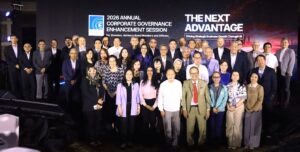
PLDT Global Inc., the international arm of PLDT, secured ISO 9001:2015 certification for its quality management systems, reinforcing its focus on customer-centric operations and consistent service delivery. The certification was awarded by TÜV SÜD PSB Philippines Inc. and capped a year marked by expanded cross-border partnerships and new digital services for overseas Filipinos.
During the year, PLDT Global strengthened ties with international telco and infrastructure partners to support growing demand for international voice services, cloud computing, subsea capacity, and data center interconnections across Asia Pacific and the Middle East. Beyond connectivity, the company expanded its digital marketplace offerings for overseas Filipinos through Tindahan ni Bossing, adding new e-vouchers, mobile services, and payment integrations aimed at easing access to Philippine digital services while abroad.
PLDT Global also expanded welfare-focused initiatives, including zero-rated and free-call services to government hotlines for overseas Filipinos, free virtual mobile numbers for workers awaiting deployment, and mental health first aid training for frontline support staff assisting overseas workers.

AI-ready infrastructure and community programs
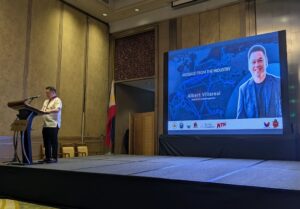
At home, PLDT and its wireless unit Smart Communications continued to push an AI-ready strategy anchored on infrastructure, skills, and responsible use. Central to this effort is VITRO Sta. Rosa, the country’s first hyperscale data center built specifically for AI workloads, which hosts Pilipinas AI—a sovereign AI solutions stack designed to allow enterprises and institutions to deploy AI while keeping data hosted locally.
PLDT appointed a group-level AI business lead to consolidate AI initiatives across sectors, including banking, business process outsourcing, healthcare, government, and utilities. The goal, the company said, is to help organizations improve efficiency and productivity while lowering the barrier to AI adoption.
Complementing infrastructure investments are community-focused programs such as AI-in-a-Box, which provides connectivity, tools, and training to local government units, educators, MSMEs, journalists, and community organizations. PLDT and Smart also conducted AI workshops for regional media groups and accessibility-focused training with partners supporting persons with disabilities, positioning AI as a practical tool rather than an abstract technology.
Digital education in local government
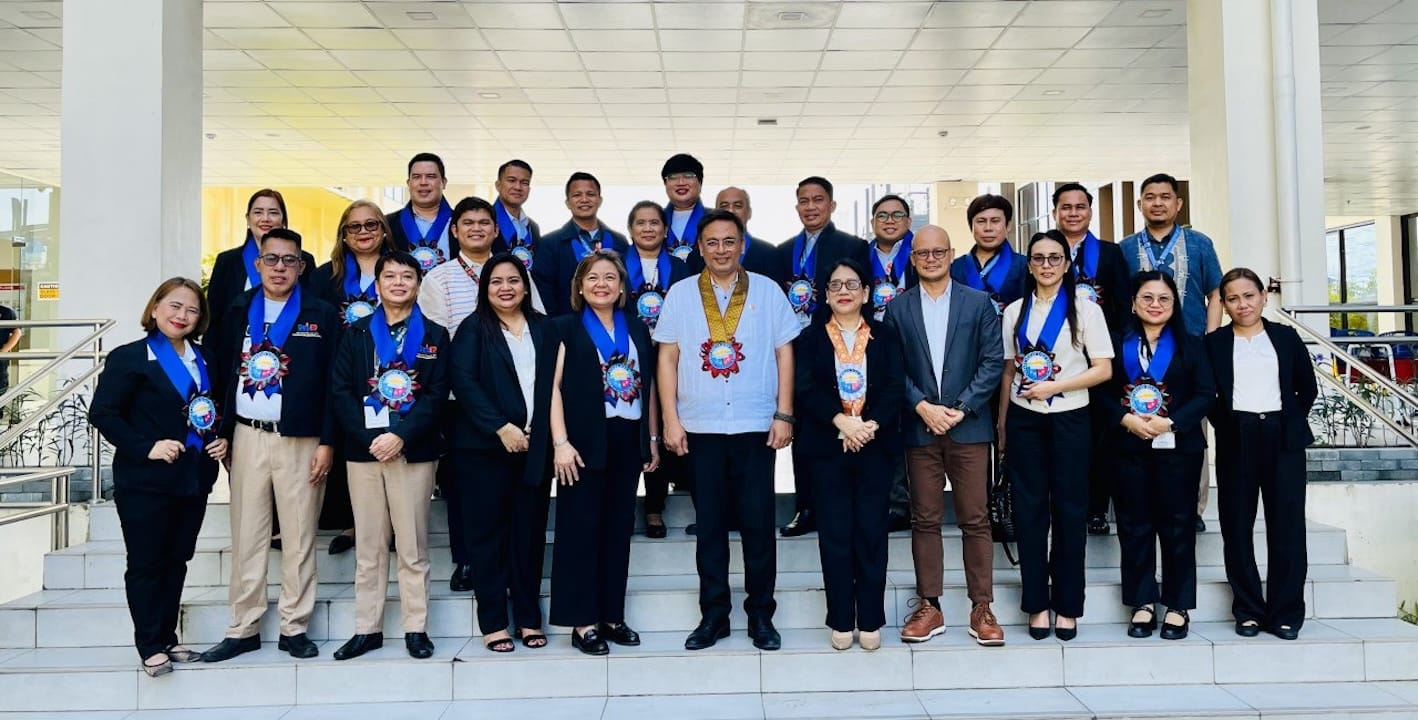
PLDT Enterprise, the group’s corporate arm, also expanded its footprint in public-sector digitalization through a partnership with the City Government of Muntinlupa and the local Schools Division Office of the Department of Education. The project delivered enterprise broadband, campus-wide Wi-Fi, structured cabling, and satellite connectivity across 29 public schools.
More than 25,000 students and teachers now have stable access to digital learning platforms, while school administrators can generate reports and compliance documents in real time—tasks that previously took several days. The initiative supports broader efforts to reduce teachers’ administrative workload and align public schools with national digital education priorities.
Satellite connectivity for hard-to-reach areas
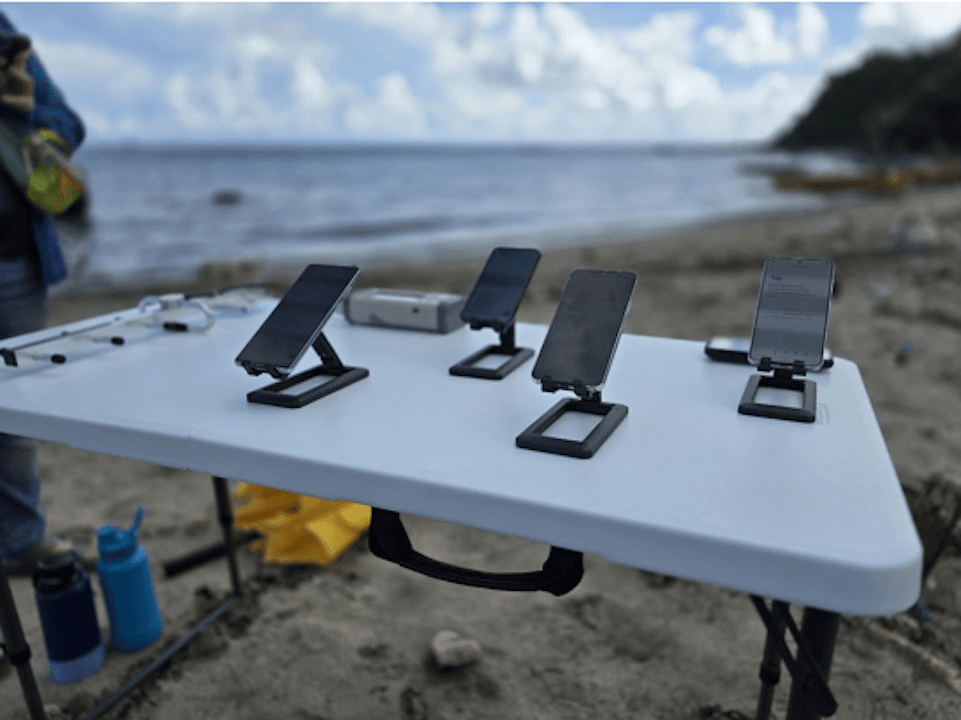
On the network side, Smart completed its first successful direct-to-device satellite data test with partner Lynk Global in Catanduanes, an island province with challenging terrain and disaster-prone conditions. The pilot demonstrated text messaging and light data access between Catanduanes and Metro Manila without relying on terrestrial cell sites.
The company said the technology could eventually support emergency communications and extend basic mobile services to areas where traditional infrastructure is difficult to deploy. Further tests across maritime routes and remote locations are planned ahead of a potential commercial rollout.
The initiatives highlight PLDT’s converging strategy: meeting global quality standards, building AI-ready infrastructure, strengthening public-sector and education connectivity, and extending coverage to last-mile and disaster-prone communities. The trajectory empahisizes how telco investment is increasingly intersecting with AI policy, education systems, overseas Filipino services, and resilience planning.
As AI adoption accelerates and connectivity demands widen beyond urban centers, PLDT’s challenge will be translating these large-scale investments into measurable gains for productivity, inclusion, and digital sovereignty—especially for sectors and communities that have historically been on the margins of the country’s digital economy.
————————————————————————-
WATCH TECHSABADO ON OUR YOUTUBE CHANNEL:
WATCH OUR OTHER YOUTUBE CHANNELS:
PLEASE LIKE our FACEBOOK PAGE and SUBSCRIBE to OUR YOUTUBE CHANNEL.
PLEASE LIKE our FACEBOOK PAGE and SUBSCRIBE to OUR YOUTUBE CHANNEL.