GADGETS | MAXBY enters the storage market with performance, scale
MAXBY is positioning itself as a performance-driven storage brand built for a digital-first generation.
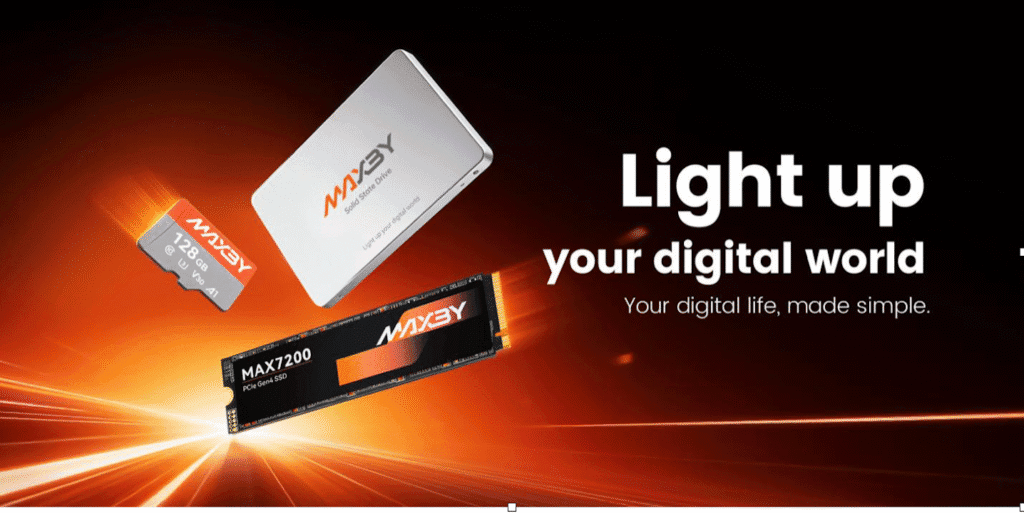
The storage industry has matured. PCIe Gen4 SSDs are pushing the limits of bandwidth. SATA drives remain relevant for upgrades. MicroSD cards power everything from drones to security systems. In a space where differentiation is difficult, infrastructure and execution matter more than marketing slogans.
MAXBY is positioning itself as a performance-driven storage brand built for a digital-first generation. The brand identity revolves around three ideas: friendly, intelligent, and trusted. That sounds simple, but in storage, trust is everything. You do not notice a drive when it works. You only notice it when it fails.
What separates MAXBY from many new entrants is its emphasis on manufacturing scale and end-to-end production. With large-scale cleanroom facilities, dual fabrication bases, and in-house quality control systems, the company is clearly signaling that it is not operating as a simple sticker brand. Vertical integration matters in NAND storage. It affects firmware consistency, supply chain stability, and long-term reliability.
That foundation supports a focused product lineup.
MAX7200 PCIe Gen4 NVMe SSD: Upper-tier gen4 performance
At the top of the stack is the MAX7200 PCIe Gen4 NVMe SSD.
It uses a PCIe Gen4 x4 interface and TLC NAND, with sequential read speeds reaching up to 7200MB/s and write speeds up to 6200MB/s. Those figures place it near the ceiling of PCIe 4.0 bandwidth. For gamers, creators, and power users, that means faster load times, quicker large file transfers, and improved responsiveness under heavy multitasking.
The drive is built around modern NVMe architecture with a low-power controller design and heat management considerations. That matters because sustained performance under load separates good Gen4 drives from great ones. Peak speeds are easy to advertise. Thermal stability during long rendering sessions or extended gaming is where real-world value is proven.
From a market standpoint, the MAX7200 targets performance-mainstream users. It is not an entry-level NVMe product. It is aimed at builders assembling high-refresh gaming rigs, editors working on 4K timelines, and developers handling large project builds.
If pricing aligns competitively, this drive can sit comfortably in the performance-value category.
MS500 SATA SSD: The Practical Upgrade Workhorse
While NVMe dominates new builds, SATA remains essential in legacy systems and enterprise refresh cycles.
The MS500 2.5-inch SATA SSD offers up to 550MB/s read and 500MB/s write speeds, which effectively saturate the SATA 3.0 interface. It uses TLC NAND and integrates LDPC error-correction technology to enhance data integrity and endurance.
This is not a drive chasing headline numbers. It is designed for reliability and compatibility. Offices upgrading aging desktops, schools modernizing computer labs, and SMEs extending the lifespan of existing hardware will find this segment especially relevant.
In markets like the Philippines, where many systems still rely on SATA interfaces, this category continues to move volume. A stable, competitively priced SATA SSD remains one of the most impactful performance upgrades available.
MT PLUS MicroSD: Built for the creator economy
The MT PLUS MicroSD lineup spans 32GB to 128GB capacities and carries A1, U3, and V30 ratings. That combination signals support for app performance optimization and sustained 4K video recording.
With read speeds up to 80MB/s and support for devices such as smartphones, cameras, drones, and security equipment, the MT PLUS cards target mobile creators and surveillance applications alike.
In this segment, sustained write consistency is more important than marketing speed claims. Dropped frames during 4K recording or corrupted footage from unstable flash memory quickly erode brand credibility. The positioning here suggests MAXBY understands the practical demands of real-world use.
Strategic expansion and local opportunity
The company’s expansion roadmap includes a strong push into Asian markets, with the Philippines identified as an early focus territory.
That decision makes sense. The local market is price sensitive but increasingly performance aware. Gaming adoption is high. Content creation continues to grow. SME digitization is accelerating. These factors create a convergence point where performance storage at competitive pricing can gain traction.
Success, however, will depend on more than hardware specifications. Warranty clarity, transparent endurance ratings, distributor partnerships, and after-sales support will determine whether the brand earns long-term trust.
The bigger picture
MAXBY’s lineup is strategically structured.
The MAX7200 acts as the performance flagship.
The MS500 serves as the upgrade volume driver.
The MT PLUS expands into mobile and creator segments.
The infrastructure narrative suggests serious intent. The product specifications indicate competitive positioning. The next stage will be independent benchmarking and real-world endurance validation.
Storage is one of the least glamorous components in a system, yet it defines daily experience. Brands that balance performance, reliability, and value build loyalty quietly over time.
MAXBY is entering a competitive space. The foundation appears deliberate. Now the market will decide how well that foundation translates into sustained performance and trust.
————————————————————————-
WE ARE 10 YEARS OLD! TEN YEARS OF TECHSABADO, IMAGINE THAT.
WATCH TECHSABADO ON OUR YOUTUBE CHANNEL:
WATCH OUR OTHER YOUTUBE CHANNELS:
PLEASE LIKE our FACEBOOK PAGE and SUBSCRIBE to OUR YOUTUBE CHANNEL.
PLEASE LIKE our FACEBOOK PAGE and SUBSCRIBE to OUR YOUTUBE CHANNEL.

![[Photo 1] LG Electronics-Apple IoT Products](https://techsabado.com/wp-content/uploads/2026/10/Photo-1-LG-Electronics-Apple-IoT-Products-300x148.jpg)