GADGETS | Lenovo unveils adaptive AI devices at MWC 2026
Lenovo said the technologies presented at MWC reflect a shift toward computing systems that adapt to user behavior and environments rather than relying on isolated software applications.
Lenovo introduced a new generation of adaptive artificial intelligence (AI) devices and computing concepts at the Mobile World Congress (MWC) 2026, highlighting its strategy to integrate AI capabilities across PCs, tablets and mobile devices.
The announcements include modular PC designs, glasses-free 3D laptop concepts, foldable gaming hardware and the rollout of Lenovo Qira, a system-level AI platform designed to work across multiple devices.
“The AI era will not be defined by a single device or application, but by intelligent systems that work seamlessly across everything we use,” said Luca Rossi, president of Lenovo’s Intelligent Devices Group.
Lenovo said the technologies presented at MWC reflect a shift toward computing systems that adapt to user behavior and environments rather than relying on isolated software applications.
Lenovo Qira expands AI ecosystem
At the center of Lenovo’s MWC presentation is Lenovo Qira, a system-level AI platform designed to operate across Lenovo and Motorola devices.
Unlike standalone assistants, Qira is integrated directly into supported hardware and is intended to maintain continuity between tasks on PCs, tablets, smartphones and wearables. The platform can assist users by recognizing intent and coordinating workflows across devices.
Lenovo plans to roll out Qira across more than 20 devices in its PC portfolio, including Yoga, IdeaPad, Legion and ThinkPad models, through over-the-air updates and preloaded software. Initial support will include six languages across nine regions.
Modular and experimental computing concepts
Lenovo also showcased several concept devices at MWC that explore new form factors for AI-enabled computing.
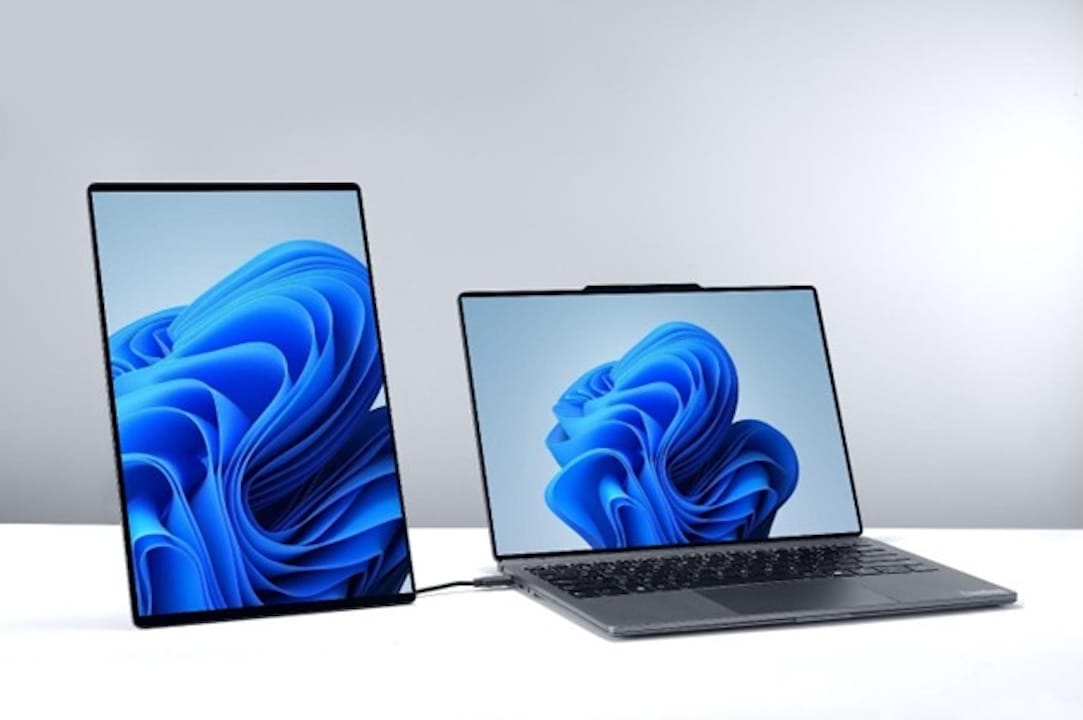
The ThinkBook Modular AI PC Concept features a 14-inch base system designed to support interchangeable display configurations, detachable input components and modular I/O elements. A secondary display can attach in different orientations or replace the keyboard, expanding the workspace to approximately 19 inches.
Another prototype, the Yoga Book Pro 3D Concept, demonstrates glasses-free 3D visualization using dual displays, AI-powered 2D-to-3D conversion and gesture interaction designed for creators working with immersive content.
For gaming, Lenovo presented the Legion Go Fold Concept, a foldable gaming handheld device that expands into a larger display and supports handheld gaming, split-screen multitasking and desktop-style interaction.
The company said these prototypes illustrate how flexible hardware designs may support evolving workflows in AI-ready environments.
Updates to commercial and consumer devices
Alongside the concept devices, Lenovo announced updates to its commercial and consumer PC portfolio.
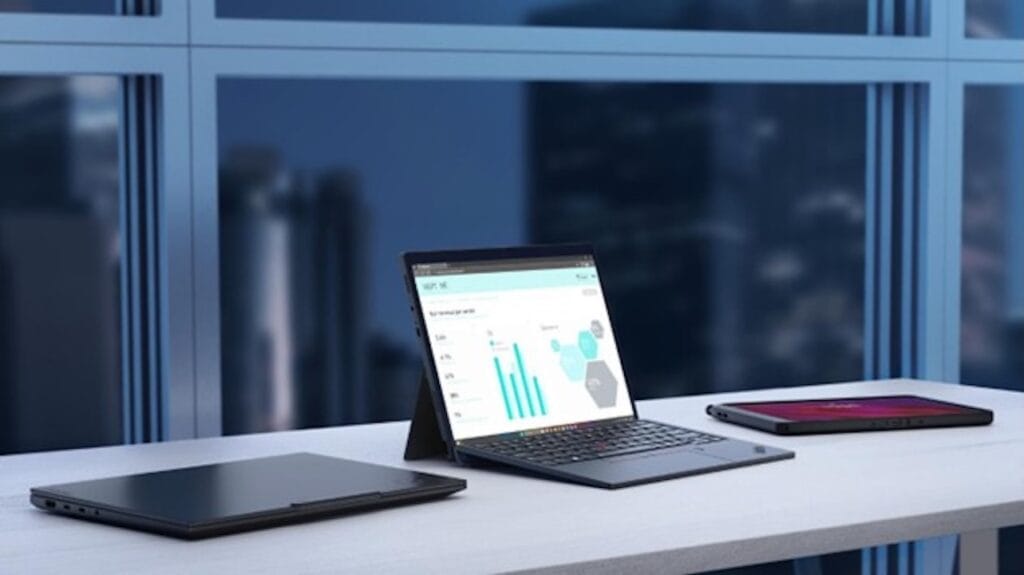
The updated ThinkPad T-Series introduces improvements in repairability and serviceability, reinforcing Lenovo’s focus on lifecycle value and sustainable device management. The ThinkPad X13 Detachable targets mobile professionals, while the ThinkTab X11 is designed as a rugged Android tablet for industrial and frontline environments.
Lenovo also introduced the ThinkBook 14 2-in-1 Gen 6 laptop and the ThinkVision M16 portable monitor for small and medium-sized businesses requiring flexible work setups.
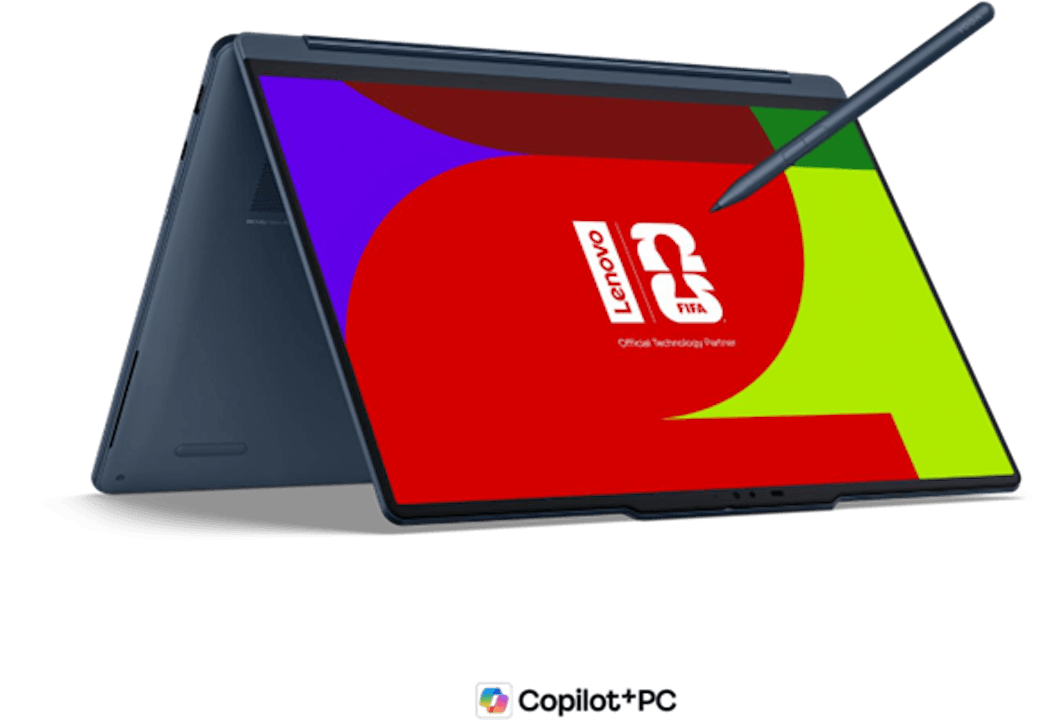
In the consumer segment, Lenovo expanded its AI-enabled laptop lineup with the Yoga 9i 2-in-1 Aura Edition, Yoga Pro 7a and IdeaPad Slim 5i Ultra.
The company also launched the Idea Tab Pro Gen 2 tablet, the first Lenovo tablet to support Lenovo Qira. Gaming products introduced include the Legion 7a laptop and the Legion Tab tablet with a 3K display and advanced cooling.
Lenovo expands healthcare partnership in the Philippines
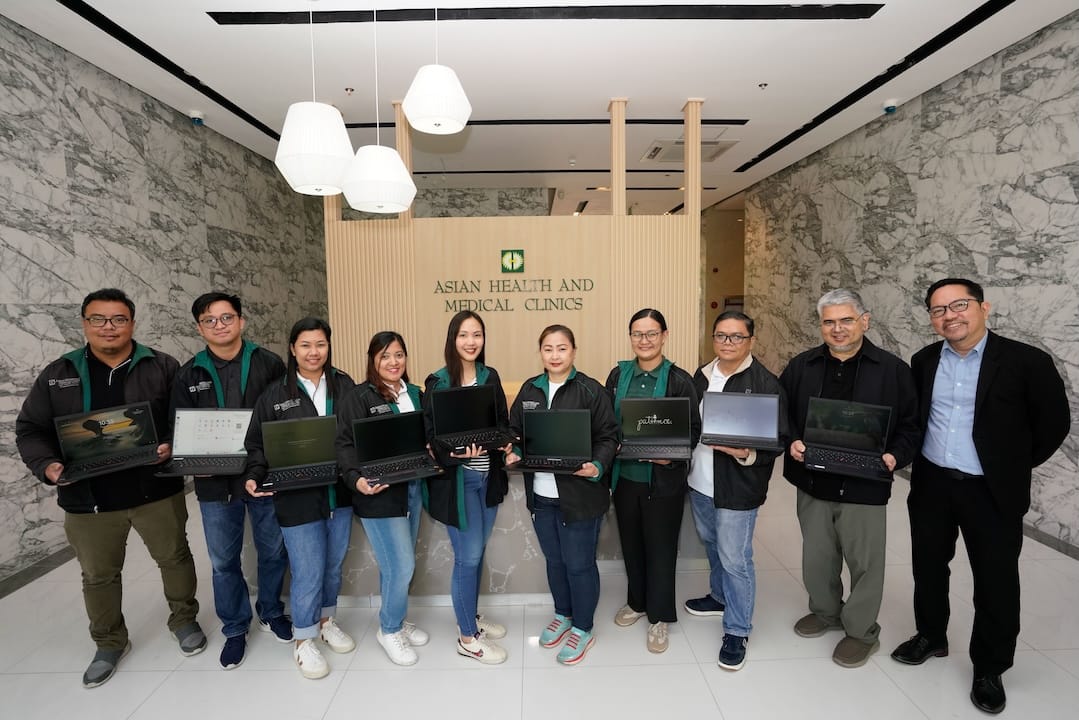
Separately, Lenovo highlighted its work with healthcare institutions, including a partnership with Asian Hospital and Medical Center in Muntinlupa City to modernize clinical computing infrastructure.
Asian Hospital, part of the Metro Pacific Hospital Group, standardized its endpoint devices using Lenovo systems as part of a broader digital transformation effort aimed at improving clinical workflows and reliability across the hospital network.
“Our mandate is not just to digitize,” said Frank N. Vibar, chief information officer of Asian Hospital and Medical Center. “Our mandate is to ensure that every piece of technology we deploy ultimately makes it easier for our clinicians to deliver safe, efficient, and high-quality patient care.”
Before the deployment, the hospital used multiple brands of devices, resulting in inconsistent performance and reliability. Slowdowns, crashes and unexpected shutdowns disrupted clinical workflows, including access to hospital information systems and electronic medical records. Device-related issues generated more than 200 support requests each month.
“In a hospital context, a failing laptop is not just an inconvenience—it has a direct impact on patient care,” Vibar said.
After replacing legacy devices with Lenovo units, monthly support incidents dropped from more than 200 to almost zero in areas where the new systems were deployed.
Hospital administrators said the transition improved system stability and allowed doctors and nurses to access hospital information systems and electronic medical records more efficiently.
Asian Hospital said the modernization initiative also allowed IT teams to focus more on cybersecurity, networking and emerging technologies such as artificial intelligence.
The hospital aims to become a flagship smart hospital within the Metro Pacific Hospital Group and in the Philippine healthcare sector.
“If Lenovo has hospital use cases that are already tried and tested elsewhere, bring them here and we will help test them,” Vibar said. “If we see that a technology can improve healthcare delivery and patient care, we are ready to adopt it.”
AI strategy extends beyond devices
Lenovo said its announcements at MWC reflect a broader strategy to expand AI-enabled computing across devices and industries.
By combining AI-enabled hardware with system-level software such as Lenovo Qira, the company aims to create computing environments that adapt to users while supporting new applications across sectors including business, gaming and healthcare.
————————————————————————-
WE ARE 10 YEARS OLD! TEN YEARS OF TECHSABADO, IMAGINE THAT.
WATCH TECHSABADO ON OUR YOUTUBE CHANNEL:
WATCH OUR OTHER YOUTUBE CHANNELS:
PLEASE LIKE our FACEBOOK PAGE and SUBSCRIBE to OUR YOUTUBE CHANNEL.
PLEASE LIKE our FACEBOOK PAGE and SUBSCRIBE to OUR YOUTUBE CHANNEL.