ONLINE GAMES | Roblox not banned in PH; gov’t shifts to stricter child safety measures
The DICT and CICC clarified that Roblox will not be banned in the Philippines, emphasizing that child safety remains the government’s priority.
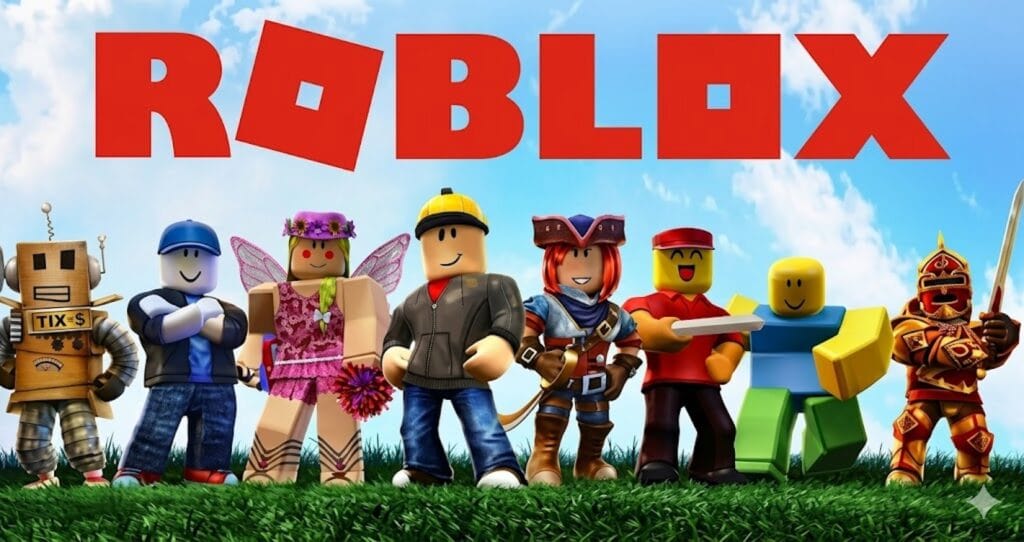
The Philippine government will not ban Roblox, opting instead to strengthen child safety measures on the platform amid rising concerns over online abuse and OSAEC (Online Sexual Abuse and Exploitation of Children).
The move follows a multisector meeting on April 7 involving the Department of Information and Communications Technology (DICT), the Cybercrime Investigation and Coordinating Center (CICC), law enforcement agencies, Roblox representatives and private sector stakeholders.
Officials said the meeting was held under the directive of Ferdinand R. Marcos Jr. to tighten safeguards across digital platforms and protect Filipino minors online.
The DICT and CICC clarified that Roblox will not be banned in the Philippines, emphasizing that child safety remains the government’s priority.
Roblox, which operates a user-generated gaming and social platform, presented updated safeguards including stricter content monitoring, improved reporting systems and expanded age-appropriate controls designed to reduce exposure to harmful interactions.
The company also committed to roll out an information campaign on April 12 to guide parents on using built-in safety tools such as parental controls.
The decision marks a shift from earlier regulatory pressure to block access to the platform.
On March 25, local telecommunications companies committed to restrict access to Roblox following a March 24 meeting in Quezon City with the CICC, the National Telecommunications Commission (NTC) and industry stakeholders. The move came after authorities flagged risks to minors, including alleged cases of grooming and exploitation linked to online interactions.
CICC Executive Director Undersecretary Renato “Aboy” Paraiso said regulators had issued a 30-day ultimatum — later shortened to 15 days — for the company to address concerns or face possible restrictions.
Globally, Roblox has faced lawsuits and investigations over child safety. Reports from the United States and Europe cited incidents where minors were allegedly exposed to inappropriate content or contacted by adults through in-game communication tools.
Regulators and researchers have pointed to persistent challenges in moderating large-scale user-generated environments, where millions of users interact daily and harmful content can bypass safeguards.
Philippine authorities said the current approach focuses on enforcement and platform accountability rather than outright prohibition.
They also urged parents to take a more active role in managing children’s online activities, including monitoring screen time, setting spending limits, restricting access to inappropriate content and selecting age-appropriate experiences.
Officials said ensuring digital safety requires coordination among government, industry and families as risks evolve alongside increasing platform use among young users.