BUSINESS TECH | Equinix expands Malaysia data center footprint with new KL facility
Equinix said the facility is designed to support AI workloads, hybrid multi-cloud deployments, and high-performance computing applications.
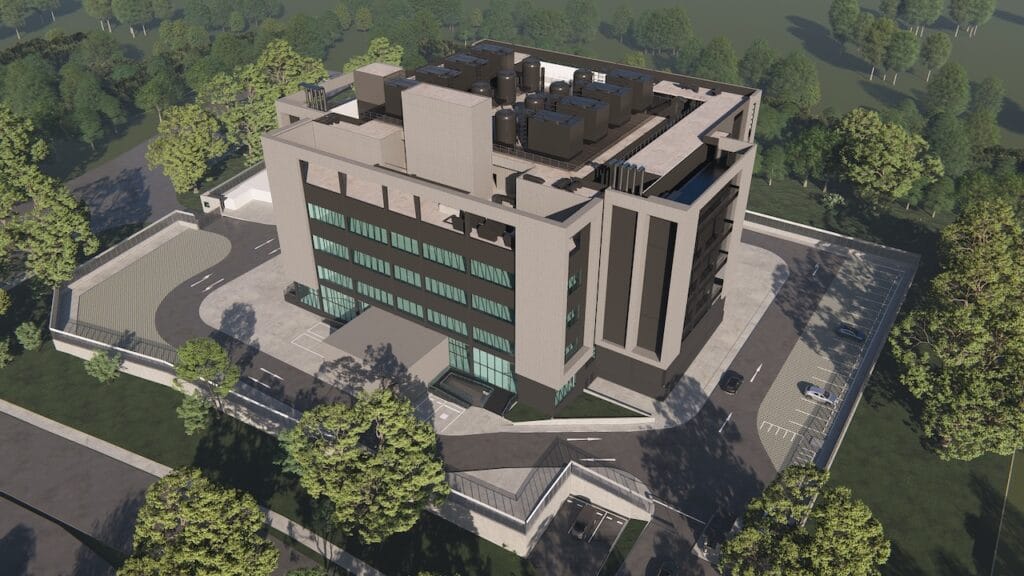
Equinix plans to build a new International Business Exchange data center in Kuala Lumpur as demand for AI, cloud, and enterprise digital infrastructure continues to grow across Southeast Asia.
The company said the new facility, called KL2, will be located in Cyberjaya near its existing KL1 data center and will strengthen Kuala Lumpur’s role as a regional digital and interconnection hub in ASEAN.
Equinix said KL2 will become its fourth data center in Malaysia, alongside existing and planned facilities in Kuala Lumpur and Johor. The project represents more than $190 million in total investment and is expected to support more than 2,200 cabinets once fully operational.
The company said the facility is designed to support AI workloads, hybrid multi-cloud deployments, and high-performance computing applications. It will also include support for advanced liquid cooling systems intended for next-generation AI infrastructure.
According to Equinix, the expansion comes as Malaysia pushes to strengthen its digital economy through initiatives such as the National Artificial Intelligence Office and the MyDIGITAL program. The company noted growing demand for scalable and low-latency infrastructure from enterprises, hyperscalers, and digital-native firms operating across ASEAN.
Cheam Tat Inn, managing director for Malaysia at Equinix, said the project supports Malaysia’s AI and digital economy ambitions while helping businesses deploy distributed AI services closer to users in the region.
The new facility will connect with Equinix’s regional network across Kuala Lumpur, Johor, and Singapore through Equinix Fabric, allowing customers to optimize network performance and manage distributed workloads across Southeast Asia.
Equinix currently operates more than 280 data centers in 36 countries, including 65 facilities across the Asia-Pacific region.