SPECIAL FEATURE | eSIM adoption rises as travelers shift to digital connectivity
The study said convenience remains one of the biggest factors behind adoption. Users can activate mobile plans digitally, switch operators without replacing SIM cards and manage multiple numbers on a single device.
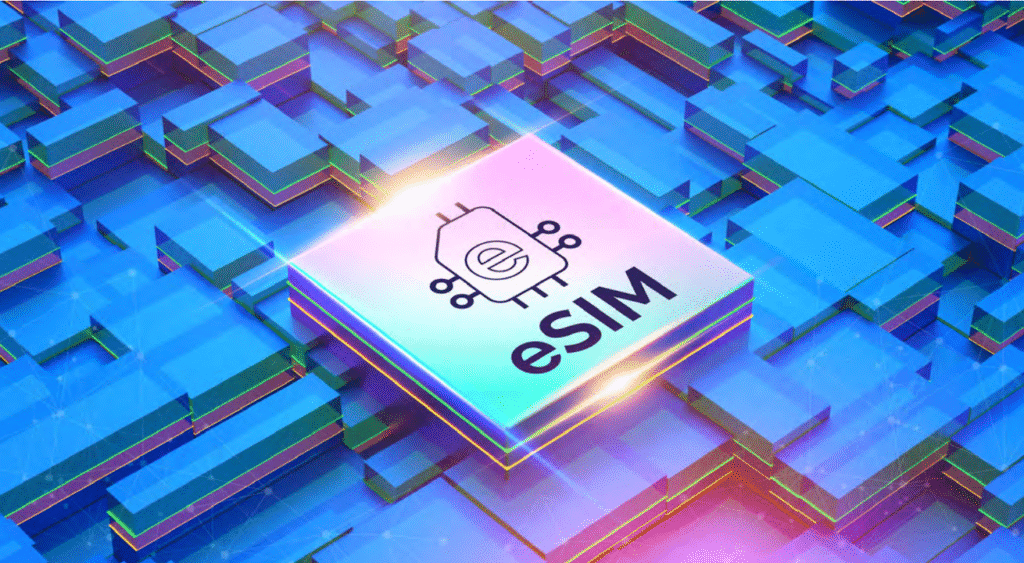
Global adoption of eSIM technology is accelerating as consumers increasingly move away from physical SIM cards in favor of digital mobile connectivity, according to a new industry survey.
The 2026 Mobile World Live eSIM Survey found that rising international travel, wider device compatibility and demand for faster mobile activation are driving increased eSIM usage worldwide.
The study said convenience remains one of the biggest factors behind adoption. Users can activate mobile plans digitally, switch operators without replacing SIM cards and manage multiple numbers on a single device.
“Consumers increasingly expect seamless digital onboarding and instant connectivity,” the report said.
The survey found that travelers are among the strongest adopters because eSIMs simplify access to local mobile plans and help reduce roaming costs abroad.
Device makers have also expanded support for eSIM technology beyond flagship smartphones. The report noted that tablets, smartwatches, laptops and Internet of Things devices are increasingly shipping with eSIM capability.
Telecommunications providers are responding by improving digital onboarding systems and expanding app-based activation services. Analysts said telecom companies that offer simpler activation and flexible travel-focused plans may gain an advantage among younger and highly mobile users.
The report also highlighted growing enterprise interest in eSIM deployment for logistics, connected devices and fleet management. Businesses are exploring the technology because it allows remote provisioning and management of mobile connectivity across multiple regions.
Despite the growth, the study said barriers remain. Some consumers are still unfamiliar with eSIM activation processes, while others continue to prefer physical SIM cards due to device-switching habits or compatibility concerns.
Industry analysts expect eSIM adoption to continue growing as telecom operators and governments push broader digital transformation initiatives. The technology is also expected to support future expansion in connected vehicles, industrial automation and smart city infrastructure.
In the Philippines and other Southeast Asian markets, telecom operators have gradually expanded eSIM services as demand for digital connectivity rises. Analysts said broader adoption may depend on lower-cost compatible devices and stronger consumer awareness.
The report said physical SIM cards are expected to remain in use for years, but momentum is steadily shifting toward embedded and fully digital connectivity systems.
————————————————————————-
TEN YEARS OF TECHSABADO!
PLEASE LIKE our FACEBOOK PAGE and SUBSCRIBE to OUR YOUTUBE and SPOTIFY channels.
WATCH TECHSABADO ON OUR YOUTUBE CHANNEL:
WE ARE ALSO ON SPOTIFY

WATCH OUR OTHER YOUTUBE CHANNELS:
PLEASE LIKE our FACEBOOK PAGE and SUBSCRIBE to OUR YOUTUBE CHANNEL.